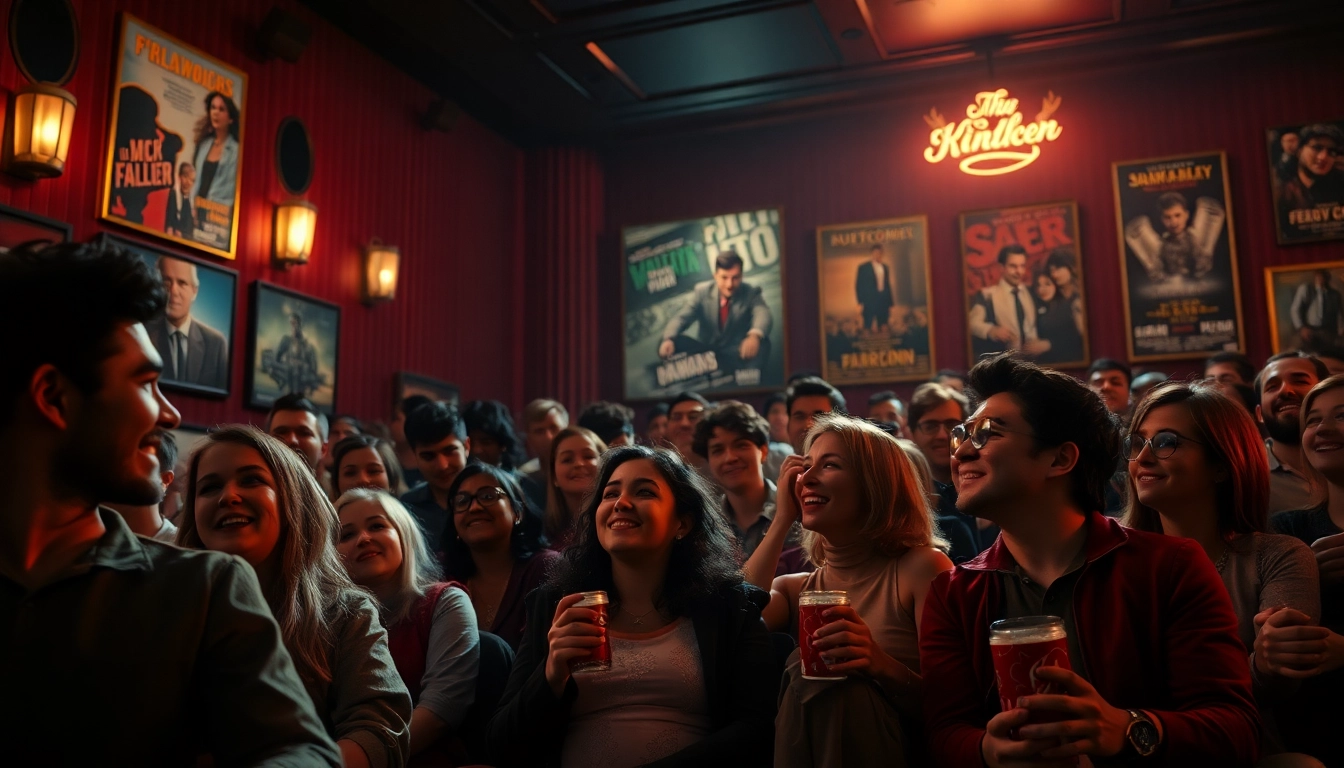
Introduction to Filme
Films have long been a source of entertainment, culture, and education, captivating audiences across generations. Whether you’re a casual viewer, a cinephile, or someone looking to explore new narratives, understanding the diverse world of film is essential. From blockbuster hits to indie gems, the medium has evolved significantly over the years, mirroring societal changes and technological advancements. In today’s digital age, access to filme has never been easier, allowing viewers to explore a vast library of titles anytime, anywhere. This article delves into the intricate aspects of film culture, the evolution of movies, and tips for finding the best films online.
Understanding Film Culture
Film culture encompasses the practices, institutions, and values surrounding the production, distribution, and consumption of films. It reflects not only artistic expression but also social commentary and collective experiences. Films serve as mirrors to society, often addressing current events, cultural norms, and historical narratives, thereby providing insight into human behavior and societal structures.
One of the most significant aspects of film culture is its intrinsic connection to storytelling. Every film tells a story, whether it’s through the lens of fiction, documentary, or experimental cinema. Film festivals, cinema clubs, and online communities have emerged as vital platforms where film lovers gather to discuss, critique, and celebrate cinematic works. The culture surrounding films has expanded beyond mere viewing; it includes participation in discussions, analysis of themes, and appreciation of cinematography, sound design, and direction. As we delve deeper into this article, we will explore how the evolution of film has shaped and continues to influence this vibrant culture.
The Evolution of Movies Over Time
The history of cinema dates back to the late 19th century, with the advent of motion picture technology. Early films were short, silent, and black-and-white, primarily focused on simple narratives or playful visual experiments. As technology evolved, so did storytelling techniques, leading to the development of synchronized sound and color films in the 1920s and 1930s. This era marked the birth of Hollywood as a film industry powerhouse, establishing conventions that are still referenced today.
By the mid-20th century, filmmakers began to experiment with new genres and styles, resulting in the rise of film movements such as the French New Wave and Italian Neorealism. These movements challenged traditional filmmaking norms, focusing on realistic portrayals and innovative narratives. In the 1970s and 1980s, the blockbuster era emerged, where high-budget films aimed at mass audiences became the norm, leading to the establishment of franchises and sequels—the precursor to today’s cinematic universe.
In recent years, advancements in digital technology and streaming platforms have transformed the film landscape, making it easier for independent filmmakers to share their stories with global audiences. The rise of international cinema has also brought diverse narratives and cultural insights into mainstream awareness, enriching the film landscape significantly.
Importance of Subtitled Films
Subtitled films play a crucial role in the global film industry by breaking down language barriers and allowing audiences to experience stories from different cultures. With the rise of international cinema and global streaming platforms, more viewers are watching films with subtitles, expanding their understanding of diverse narratives. This practice not only enriches the viewing experience but also fosters a greater appreciation for the artistry involved in storytelling across various cultures.
Moreover, subtitled films provide insights into cultural nuances that might be lost in translation. They help audiences gain a deeper understanding of social issues, traditions, and values depicted in the narratives. As more viewers seek authentic representations of global stories, the demand for subtitled films has surged, making them an essential aspect of contemporary cinema.
Top Filme of 2025
As we look forward to the cinematic offerings of the upcoming year, several films are generating considerable buzz. From action-packed adventures to heartfelt dramas, 2025 is set to deliver a diverse lineup of stories that cater to various tastes. Here are some must-watch films that are highly anticipated.
Must-Watch New Releases
- Reagan 2024: This biopic dives into the life of Ronald Reagan, exploring his time as a leader and the legacy he left behind. With a stellar cast and compelling storytelling, it promises to be an emotional journey.
- Steve 2025: A mix of adventure and comedy, this film follows a character navigating unexpected challenges. With humor at its core, it’s expected to resonate with a wide audience.
- Leave the World Behind: This thriller, adapted from the novel by Rumaan Alam, looks to explore themes of family dynamics and societal collapse amid a mysterious blackout.
- Nowhere: A gripping exploration of survival and resilience, it follows a protagonist’s harrowing journey in a post-apocalyptic setting, showcasing human spirit and determination.
- The Bad Batch 2: A sequel that promises to continue the gritty narrative set in a dystopian future, focusing on marginalized characters seeking their place in a harsh world.
Reviews of Upcoming Films
As the release dates for these highly anticipated films draw near, early screening reviews suggest a mix of excitement and critical acclaim. Film critics are particularly keen on the depth of character development and the nuanced storytelling present in many of these upcoming titles. For viewers looking for original narratives and thought-provoking themes, the films of 2025 promise to deliver a rich cinematic experience.
Among them, “Reagan 2024” has garnered attention for its portrayal of political struggles, while “Steve 2025” is being hailed for its fresh comedic take on familiar tropes. Critics emphasize the importance of strong performances and innovative direction, heralding a new wave of filmmakers poised to challenge conventional storytelling.
Director Spotlights: Innovators in Film
Celebrating the visionaries behind the lens is pivotal in understanding the evolution of cinema. Notable directors leading the charge include:
- Jordan Peele: Known for his groundbreaking works in horror and social commentary, Peele’s films engage audiences with profound questions about race and society.
- Greta Gerwig: With her unique approach to storytelling and character development, Gerwig has redefined modern narratives, particularly in female-led films.
- Bong Joon-ho: The Oscar-winning director of “Parasite,” Joon-ho continues to push boundaries with his blend of genres and incisive social critique.
- Denis Villeneuve: Renowned for his visually stunning and thematically rich films, Villeneuve’s work often explores existential themes, as seen in “Dune.”
This new generation of directors is known for their bold approaches, making them pivotal figures in shaping contemporary film culture.
How to Watch Filme Online
With the proliferation of streaming services and platforms, accessing films online has become more convenient than ever. However, knowing where to look and what to choose can be overwhelming. Below, we outline the best practices for streaming films in 2025.
Best Platforms for Streaming
When it comes to finding films, several platforms stand out for their vast selections and user-friendly experiences:
- Netflix: Renowned for its extensive library, Netflix continues to invest heavily in original content—both films and series.
- Prime Video: Featuring a diverse range of genres and additional perks like free shipping on Amazon, this platform is a favorite among viewers.
- Disney+: A hub for family-friendly films, Disney+ boasts classics and recent blockbusters from the Disney vault.
- HBO Max: Known for high-quality productions, HBO Max offers an impressive selection of films, including critically acclaimed titles and popular series.
- FilmFlix: For those seeking free viewing options, FilmFlix provides a wide array of films with Romanian subtitles, perfect for viewers looking for local language support.
Free vs. Paid Options
While many platforms offer subscription-based access, there are numerous free options available. Websites like FilmFlix allow viewers to watch films without the burden of monthly fees, making it an excellent choice for budget-conscious film enthusiasts. However, it’s important to consider factors like streaming quality and the availability of newer releases when opting for free services.
Paid subscriptions typically offer advantages such as higher streaming quality, exclusive content, and the absence of advertisements. For avid film watchers, investing in a subscription might enhance the overall viewing experience, providing access to a broader range of titles.
Maximizing Your Viewing Experience
To get the most out of your film-viewing experience, consider these tips:
- Create a Comfortable Environment: Set up a cozy space with comfortable seating and adequate lighting to enhance your viewing experience.
- Use Quality Equipment: Invest in a good quality screen and sound system. The audio-visual experience can significantly affect your enjoyment of a film.
- Leverage Subtitles: For international films, always opt for subtitles when available. This not only aids comprehension but also allows you to appreciate the original dialogue and context better.
- Engage with the Community: Consider joining online forums or social media groups centered around film discussions. Engaging with fellow film lovers can provide fresh perspectives and recommendations.
Film Genres and Their Appeal
Film genres are fundamental to how audiences engage with cinema. Understanding different genres can help viewers select films that resonate with their tastes and preferences.
Understanding Different Genres
Film genres encompass various categories, each with unique characteristics that appeal to different audiences:
- Action: Fast-paced narratives filled with excitement, stunts, and intense physical feats.
- Drama: Character-driven stories that delve into emotional, social, or political themes, often prompting deep reflection.
- Comedy: Light-hearted films designed to entertain and amuse, often featuring witty dialogues and humorous situations.
- Horror: Designed to elicit fear and suspense, horror films explore the darker aspects of human experience.
- Documentary: Non-fiction films aimed at depicting reality, providing insights into real-life events, people, or cultures.
Popular Genres in 2025
In 2025, several genres are expected to dominate the box office and streaming platforms. Audiences are gravitating towards:
- Superhero Films: With the continued expansion of cinematic universes, superhero films will likely remain a significant draw for viewers.
- Thrillers: Psychological and action thrillers are gaining popularity for their gripping narratives and suspenseful storytelling.
- Science Fiction: Films exploring futuristic concepts and existential questions continue to engage audiences, reflecting societal anxieties and hopes.
- Romantic Comedies: As a staple of cinema, romantic comedies remain popular for their feel-good narratives and relatability.
Cult Classics: Films That Stay Relevant
Cult classics hold a special place in film history and continue to resonate with audiences over time. These films, often characterized by their unique narratives, offbeat humor, or radical techniques, have garnered dedicated followings. Examples include:
- The Rocky Horror Picture Show: A musical that remains a staple of midnight screenings and audience participation.
- Pulp Fiction: Quentin Tarantino’s groundbreaking film is known for its nonlinear storytelling and iconic dialogue.
- Fight Club: Addressing consumerism and identity, this film has become a cultural reference point for discussions around masculinity and societal norms.
- The Room: Often dubbed “the best worst movie ever made,” it has developed a devoted fan base due to its unintentional humor and bizarre narrative choices.
The Future of Filme
As the film industry evolves, it continues to adapt to the changing landscape of technology and audience preferences. Future trends point toward exciting transformations in how stories are told and consumed.
Predictions for Movie Trends
Looking ahead, several trends are anticipated to shape the future of cinema:
- Increased Focus on Diversity: As audiences demand more representation, filmmakers are likely to focus on inclusivity in storytelling, both in front of and behind the camera.
- Virtual Reality and Immersive Experiences: As technology advances, films may incorporate real-time interactivity, providing viewers with an immersive experience that allows them to engage with the story beyond traditional screen formats.
- Short-Form Content: With audiences increasingly busy, short films are likely to gain traction, offering engaging stories in a compact format.
- Sustainability in Filmmaking: Eco-friendly practices are expected to become the norm, as the industry seeks to mitigate its environmental impact.
The Impact of Technology on Film
Technology continues to play a pivotal role in shaping the film industry. Advances in CGI and virtual production techniques allow filmmakers to create stunning visuals that were previously unimaginable. Streaming technology has also revolutionized distribution, enabling immediate access to films across the globe.
Artificial intelligence is beginning to influence various aspects of filmmaking, from scriptwriting to post-production editing. As tools evolve, they provide filmmakers with innovative ways to tell stories while also enabling new creative possibilities.
Audience Engagement in the Next Decade
As we move further into the digital age, audience engagement is expected to transform significantly. Viewers will likely seek more interactive experiences, including participation in film-related events, online discussions, and community-based screenings.
Social media platforms will continue to play a crucial role in shaping how films are marketed and discussed, providing opportunities for direct engagement between creators and audiences. This dynamic interaction is poised to foster a more invested and passionate film community.
