Understanding Leak Detection: An Overview
Effective leak detection is crucial for maintaining the integrity and safety of your home. It not only prevents significant water damage but also ensures that your utility bills are kept in check. At leak detection services, we specialize in identifying and resolving leaks promptly and efficiently. Understanding the fundamentals of leak detection can help homeowners make informed decisions, preventing costly repairs in the future.
What is Leak Detection?
Leak detection refers to the methods and technologies used to identify the presence of leaks in various systems, primarily plumbing systems in residential and commercial buildings. It involves finding unwanted water or gas leaks in pipes, which can lead to significant damage if left unchecked. Detecting these leaks early can save homeowners money and prevent structural damage.
The Importance of Timely Leak Detection
Timely leak detection is critical for maintaining a safe, efficient home. Leaks can result in extensive damage to walls, flooring, and even the foundation. They can also lead to mold growth, health issues, and skyrocketing utility bills. Identifying leaks early through professional services can mitigate these risks, ensuring your home remains a safe haven.
Common Types of Leaks in Homes
- Water Leaks: Often from broken or old pipes.
- Gas Leaks: From gas lines that can pose safety risks.
- Heating System Leaks: Found in boilers and radiators.
- Condensation Leaks: Resulting from humidity and temperature changes.
Advanced Technologies in Leak Detection
The advancement of technology has significantly improved the efficiency of leak detection services. Utilizing state-of-the-art tools, professionals can quickly locate and fix leaks without extensive demolition.
How Thermal Imaging Cameras Work
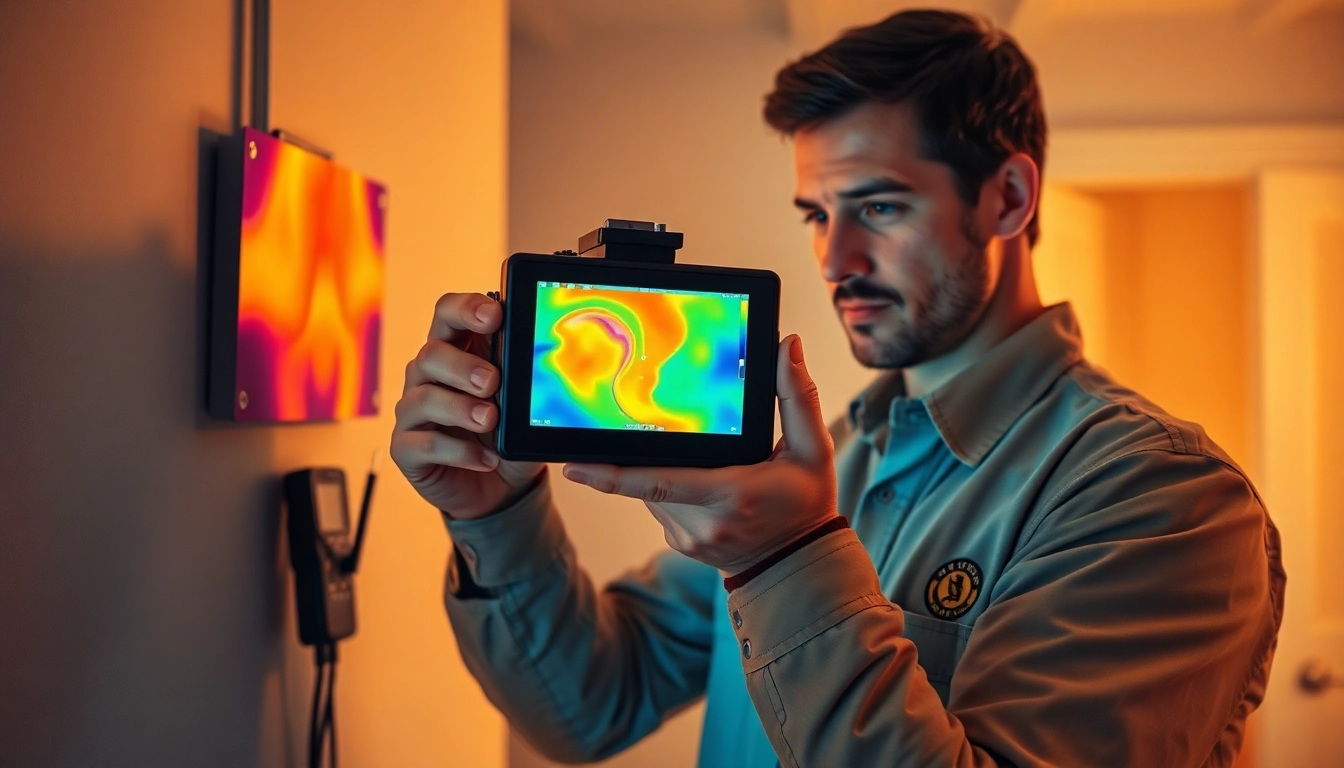
Thermal imaging cameras detect temperature variations in surfaces, identifying potential leak areas. These differences often indicate moisture presence, enabling technicians to pinpoint leaks without invasive methods. This technology is especially useful in identifying leaks behind walls and under floors.
Utilizing Acoustic Listening Devices
Acoustic listening devices pick up sounds caused by water escaping from pipes. This method is particularly effective for underground leaks, as it isolates the noise of water escaping and identifies its source accurately. Technicians can use these devices to hone in on problematic areas without unnecessary digging.
The Role of Pressure Testing in Leak Identification
Pressure testing is crucial in leak detection, especially in systems under pressure. By monitoring changes in pressure within a closed system, technicians can confirm leak locations and determine the severity of the leak. This method is often used in conjunction with other technologies to provide a comprehensive leak analysis.
Non-Invasive Methods for Leak Detection
Non-invasive leak detection methods minimize property damage and allow for quick repairs. These techniques focus on identifying and resolving leaks without the need for destructive testing, making them ideal for residential settings.
Benefits of Non-Destructive Techniques
- Preservation of property: No need for invasive digging or destruction.
- Less expensive: Reduced costs associated with repairs.
- Quicker resolution: Identifying leaks faster facilitates quicker repairs.
Identifying Water Damage Without Major Repairs
Non-invasive leak detection methods enable professionals to assess hidden leaks without significant damage, allowing for targeted repairs. Techniques such as moisture mapping provide insights into the extent of water damage, ensuring only affected areas are addressed.
Case Studies: Success Stories in Non-Invasive Leak Detection
Many homeowners have benefited from non-invasive leak detection services. For instance, a family in a suburban neighborhood detected rising utility bills; using thermal imaging, the leak was identified behind a wall, allowing for targeted repairs without damaging the wall itself. This approach not only saved the family money but also preserved the aesthetic of their home.
Cost Analysis: What to Expect with Leak Detection Services
Understanding the costs associated with leak detection services is essential for homeowners. Various factors influence prices, including the type of leak, location, and the technologies employed for detection.
Average Costs of Professional Leak Detection
On average, professional leak detection services can range between $175 to $350, depending on the complexity of the leak. Some companies may charge a flat fee, while others may offer hourly rates. It’s advisable to obtain quotes from multiple providers before making a decision.
Factors Influencing Leak Detection Prices
- Type of leak: Water vs. gas leakage may incur different costs.
- Location: Difficult access points may require specialized equipment.
- Severity: More complex leaks may necessitate advanced technology and expertise.
How to Save Money with Early Leak Detection
Investing in early leak detection can lead to significant savings. By identifying leaks promptly, homeowners can avoid the higher costs associated with extensive damage and repairs. Regular inspections can also help maintain the overall health of plumbing systems, preventing future issues.
Future Trends in Leak Detection
As technology continues to evolve, the leak detection industry is poised for significant advancements. Staying informed about these trends can help homeowners make proactive decisions regarding their property.
Emerging Technologies to Watch in 2025
New innovations such as advanced sensors capable of real-time monitoring are on the horizon. These technologies will allow homeowners to receive immediate alerts about potential leaks, making it easier to manage their properties effectively.
Eco-Friendly Leak Detection Solutions
With a growing emphasis on sustainability, eco-friendly leak detection methods are being developed. These solutions aim to reduce resource wastage and minimize the environmental impact of leak detection processes.
The Growing Role of Smart Home Technology in Leak Prevention
Smart home technology is revolutionizing leak detection and prevention. With smart sensors and automated systems, homeowners can monitor their plumbing systems in real time, receiving notifications at the first sign of trouble. This proactive approach can significantly reduce the likelihood of severe water damage.