Introduction to the Everest Base Camp Trek
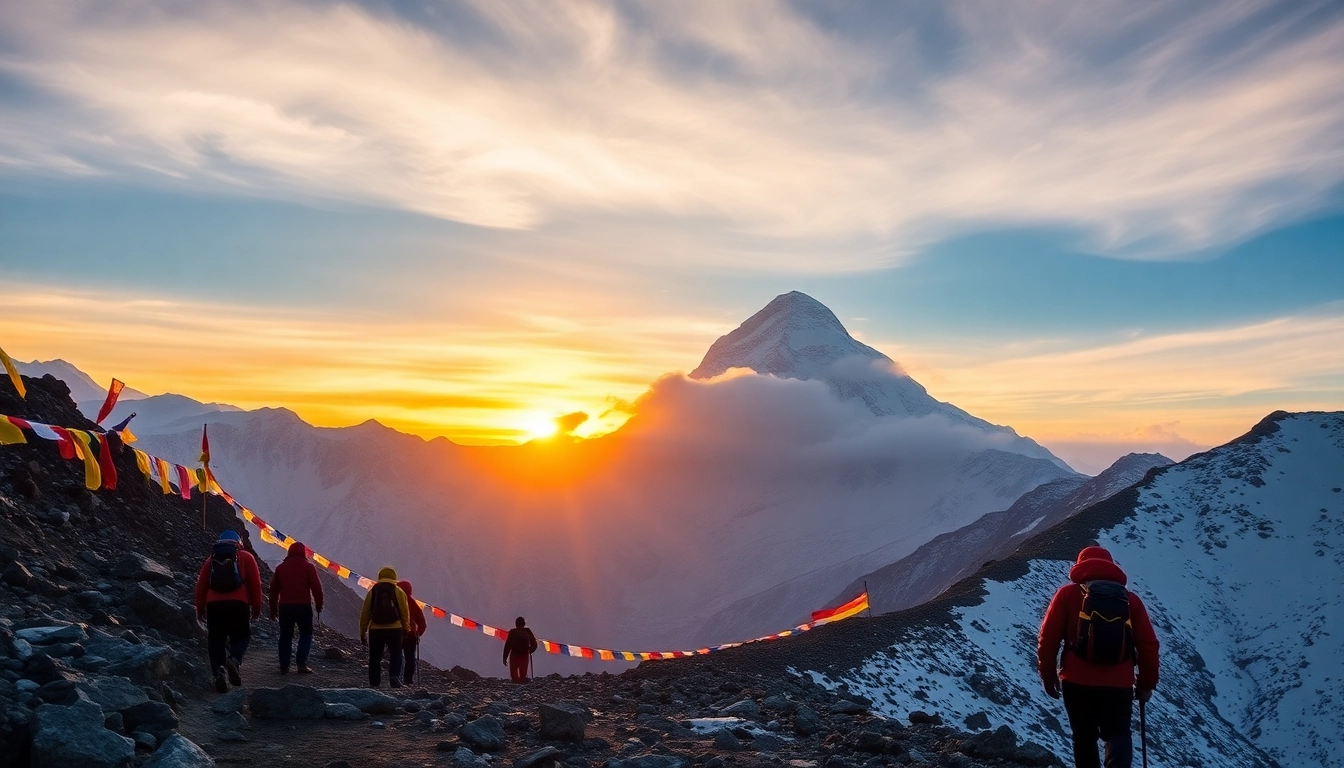
The Everest Base Camp Trek is not merely a hike; it’s an adventure that transports trekkers into the majestic realm of the Himalayas, culminating at the foot of the world’s highest peak, Mount Everest. Over 14 days, this journey offers breathtaking views, rich cultural insights, and the chance to connect with the resilient Sherpa people. From the lush green valleys to the stark, high-altitude landscape, trekkers are treated to a diverse tapestry of natural beauty, spiritual richness, and profound personal challenge.
What is the Everest Base Camp Trek?
The Everest Base Camp Trek (EBC Trek) is a legendary trekking route located in the Khumbu region of Nepal, leading adventurers through stunning landscapes, quaint villages, and eventually to the base camp of Mount Everest at an altitude of 5,364 meters (17,598 feet). It encapsulates the spirit of adventure while offering a glimpse into the lives of the Sherpa people – the indigenous inhabitants renowned for their incredible strength and warmth. This trek is divided into two main sections: the approach to base camp and the ascent to the renowned viewpoint at Kala Patthar, which offers panoramic views of Everest and surrounding peaks.
Historical Significance and Cultural Insights
The EBC Trek has a rich history dating back to the early 20th century when explorers first ventured into the region. Sir Edmund Hillary and Tenzing Norgay’s successful ascent of Everest in 1953 marked a pivotal moment in mountaineering history, making the trek increasingly popular among adventurers worldwide. Along the trail, trekkers will encounter traditional Sherpa villages, ancient monasteries, and sacred sites, providing insight into the rich cultural tapestry and spiritual heritage of the region.
Overview of the Trekking Route and Highlights
The trek typically starts with a flight from Kathmandu to Lukla, followed by a gradual ascent through various villages such as Phakding, Namche Bazaar, Tengboche, Dingboche, and Lobuche. Each of these stops provides unique experiences — from the bustling markets of Namche to the serene beauty of Tengboche Monastery surrounded by dramatic mountain peaks. Key highlights include the breathtaking views from Kala Patthar and the memorable experience of standing at Everest Base Camp, making the trek a remarkable adventure.
Planning Your Everest Base Camp Trek
Key Considerations for Trek Preparation
Preparing for the EBC Trek requires thorough planning. Start by assessing your physical fitness; the trek demands a moderate level of fitness due to its elevation and length. Proper acclimatization is crucial to prevent altitude sickness, so understanding your body’s response to high altitudes is vital. Additionally, planning your route, ensuring you have the right gear, and selecting a reputable trekking partner will significantly enhance your experience.
Choosing the Right Trekking Package for 2025
In 2025, various trekking packages are available to suit different budgets and preferences. Whether you aim for a standard trekking experience in teahouses or seek a luxury trek with enhanced amenities, numerous options ensure your journey can be tailored to your comfort level. Comparison of packages will help you identify what aligns with your expectations, from included meals to accommodation types.
Essential Permits and Documentation
To trek to Everest Base Camp, specific permits are required, including the Trekking Information Management System (TIMS) permit and the Sagarmatha National Park permit. Working with a reputable trekking agency will simplify this process, as they will assist with obtaining these permits and ensuring you have all necessary documentation for a hassle-free experience.
Physical Preparation for the EBC Trek
Recommended Fitness Regimen and Training Tips
Physical preparation involves dedicating time to build your endurance and strength. Aim for a fitness regimen that includes cardiovascular exercises like running, cycling, or swimming, combined with strength training focusing on your legs, core, and upper body. Hiking with a weighted backpack and practicing on varied terrain will mimic the conditions you’ll face on the trek. Training for at least two to three months leading up to your trek will set you up for success.
Understanding Altitude Acclimatization
Acclimatization is critical when trekking at high altitudes. The Everest region presents unique challenges due to its elevation, where the air has less oxygen. Gradually ascending to higher altitudes and allowing your body to adjust helps prevent altitude sickness. It’s essential to listen to your body and take breaks as needed, particularly during acclimatization days in Namche Bazaar and Dingboche.
Common Challenges and How to Overcome Them
Challenges during the EBC Trek include altitude sickness, fluctuating weather conditions, and physical exhaustion. Awareness of the symptoms of altitude sickness such as headaches, nausea, and dizziness is crucial. It’s essential to hydrate well, take it slow, and adhere to your guide’s advice. Being mentally prepared for the trek’s ups and downs will also aid in overcoming these challenges.
Navigating the Trek: What to Expect
Daily Itinerary Overview and Key Destinations
The trek’s itinerary spans 14 days, providing a well-structured approach to acclimatization. Each day consists of gradual ascents, with specific highlights such as visiting the Tengboche Monastery and hiking up to Everest Base Camp and then Kala Patthar. Each segment is thoughtfully planned to facilitate proper acclimatization while also allowing trekkers to enjoy stunning scenery and rich local culture.
Accommodations and Meal Options on the Trail
During the trek, accommodations are primarily in local teahouses, providing a glimpse into the Sherpa lifestyle. Meals are hearty and typically feature local cuisine, including the famed ‘dal bhat’ (rice and lentils) alongside various options to cater to diverse dietary preferences. While dining, trekkers often get a chance to share stories with fellow adventurers, creating a communal atmosphere along the trail.
Health and Safety Considerations for Trekkers
Health and safety should always be a priority while trekking to Everest Base Camp. Ensure you have adequate travel insurance that covers trekking activities and emergency evacuations. Additionally, always trek with a guide and adhere to safety protocols provided by your trekking company. Carry essential medications for altitude sickness, and maintain good communication with your trekking crew regarding your health status throughout the journey.
Experiencing the EBC Trek: Traveler Insights
Personal Stories and Testimonials from Trekkers
To truly understand the impact of the EBC Trek, many travelers share their compelling stories of the journey. From the thrill of reaching base camp to the life-changing connections formed along the trail, these narratives highlight the transformative power of experiencing nature and local culture. Connecting with past trekkers can provide invaluable insights and tips for your adventure.
Tips for Capturing Memorable Moments
Photography is a significant part of the trek, allowing trekkers to document stunning landscapes and personal milestones. Investing in a good quality camera and ensuring you have adequate battery life and storage will enable you to capture the breathtaking scenery. Learning basic photography techniques, such as composition and lighting, will help enhance your memories of this incredible journey.
Exploring Community and Environment Along the Trail
The EBC trek is not just about reaching a destination; it’s about engaging with the local communities and preserving the stunning environment of the Himalayas. Trekkers are encouraged to respect local customs, contribute to sustainable practices, and leave no trace while on the trail. Participating in local cultural events and supporting local businesses during the trek enriches the experience for both trekkers and locals.