Introduction to Modern Home Security
In an age where technology evolves faster than ever and threats to personal safety shift constantly, understanding the fundamentals of Home Security has become essential for every homeowner. The modern household is no longer defined by walls, locks, and alarm bells alone but by a sophisticated combination of smart technologies, integrated systems, and behavioral strategies that work together to safeguard property, people, and assets. As more families invest in devices such as smart cameras, motion sensors, automated lighting, home monitoring platforms, and advanced alarm systems, the landscape of residential protection has transformed dramatically. This comprehensive guide dives deep into the core components of Home Security, explaining how each element functions, why it matters, and how to choose the best solutions for your needs. Whether you live in a compact urban apartment or a large suburban home, strengthening your Home Security should be a top priority, and understanding these essentials is the first step.
The Evolution of Home Security in the Digital Age
The concept of Home Security has undergone tremendous evolution over the last two decades. Traditional systems relied heavily on manual operation, simple locks, and wired alarm systems that offered limited functionality. Today, homeowners have access to wireless technology, artificial intelligence, machine learning, real-time monitoring, and seamless integration with mobile devices. The shift from analog to digital security means that threats can now be identified faster, responses can be automated, and remote access has become an everyday convenience. As smart home technology continues to grow, homeowners now expect Home Security solutions that are proactive rather than reactive, identifying suspicious activity before damage occurs. This evolution has not only improved efficiency but also empowered individuals with more control and customization options than ever before.
Why Home Security Matters More Than Ever
The increasing awareness of digital and physical risks has pushed the importance of Home Security to the forefront. With data showing that most break-ins occur during the daytime and many intruders enter through unlocked doors or windows, homeowners must take a proactive approach to protecting their living spaces. Beyond preventing burglaries, Home Security also addresses fire detection, carbon monoxide risks, package theft, privacy breaches, and unauthorized access to personal information through connected devices. The rise of remote work has further amplified the need for strong Home Security, as more individuals spend time at home and rely on digital networks to support professional activities. Ensuring safety today requires a holistic approach that considers both the digital and physical aspects of protection.
Understanding the Core Components of Home Security Systems
A complete Home Security system includes multiple interconnected components, each serving a unique purpose. Cameras provide visual insights, sensors detect unusual activity, alarms deter intruders, and smart devices enhance control and convenience. The key to building an effective system is ensuring that each element works together seamlessly to create layered protection. This layered approach ensures that if one component fails or is compromised, others remain active to support continued safety. With the growing popularity of self-installed systems and professionally monitored solutions, homeowners can choose the level of sophistication and involvement that best matches their lifestyle and budget.
Smart Security Cameras and Why They Are Essential
Smart security cameras have become one of the most influential advancements in Home Security. These devices allow homeowners to monitor their surroundings in real time using smartphones or computers, ensuring constant visibility even when away from home. Modern security cameras offer features such as high-resolution video, night vision, motion alerts, two-way audio, and cloud storage. This provides undeniable benefits for homeowners who want immediate awareness of suspicious activity or who need to check on family members, pets, or property. The ability to review footage and identify intruders significantly increases the effectiveness of Home Security, making cameras a must-have for any modern household.
The Importance of Smart Locks in Home Security
Smart locks have revolutionized the way homeowners manage access, making them an essential component of Home Security. Traditional keys can be lost, stolen, or copied, creating vulnerability for households. Smart locks eliminate these risks by offering keyless entry through PIN codes, fingerprint scanning, mobile apps, and even voice commands. This makes it easier to manage who enters your home while ensuring that access remains secure at all times. For families with children or frequent visitors, smart locks provide unmatched convenience, allowing temporary or scheduled access without compromising safety. When integrated into a wider Home Security system, smart locks enhance overall protection by ensuring that entry points remain fully controlled.
Motion Sensors and Their Role in Enhancing Home Security
Motion sensors serve as the backbone of Home Security, detecting movement in and around the home and triggering alarms or notifications. These sensors are particularly important for identifying unauthorized activity before an intruder gains full access to the property. Modern motion sensors are designed to differentiate between human movement and that of pets or environmental factors, reducing the occurrence of false alarms. Whether installed indoors or outdoors, they act as an intelligent early-warning system that helps homeowners maintain constant awareness. Integrated with lighting systems, motion sensors can illuminate dark areas automatically, deterring intruders and enhancing visibility for residents at night.
Alarm Systems and the Power of Deterrence
Alarms remain one of the most effective components of Home Security, as they work to scare off intruders and alert homeowners or monitoring services immediately. A loud alarm is often enough to stop a burglary in progress, making it a crucial investment. Modern alarm systems offer features such as wireless connectivity, mobile alerts, tamper sensors, and integration with smart home ecosystems. These advancements ensure that if someone attempts to disable or manipulate the system, immediate action can be taken. In many cases, homeowners can choose between self-monitored alarm systems or professional monitoring services for enhanced Home Security. The latter provides added reassurance, as trained teams can contact authorities on your behalf if a breach is detected.
The Growing Importance of Integrated Smart Home Security Systems
As smart homes continue to grow in popularity, integrated systems have become the new standard for Home Security. These systems combine cameras, sensors, alarms, and automation tools under a single platform, allowing users to control everything from one app. Integration allows multiple devices to communicate with each other, creating automated routines that enhance protection. For example, when a motion sensor detects activity, lights might turn on automatically, cameras may begin recording, and an alert may be sent instantly. This interconnected approach ensures that your Home Security remains strong, intuitive, and proactive across all areas of your home.
Home Security and the Role of Artificial Intelligence
Artificial intelligence has drastically improved the reliability and accuracy of Home Security systems. AI-powered cameras can identify familiar faces, distinguish between humans and animals, and detect unusual patterns that may indicate danger. These capabilities reduce false alarms and improve the overall effectiveness of security monitoring. AI can also analyze data over time, learning regular household routines and identifying anomalies that require attention. This advancement in technology allows homeowners to make informed decisions about their security and offers an elevated level of protection previously unavailable in traditional systems.
Remote Monitoring and the Rise of App-Controlled Security
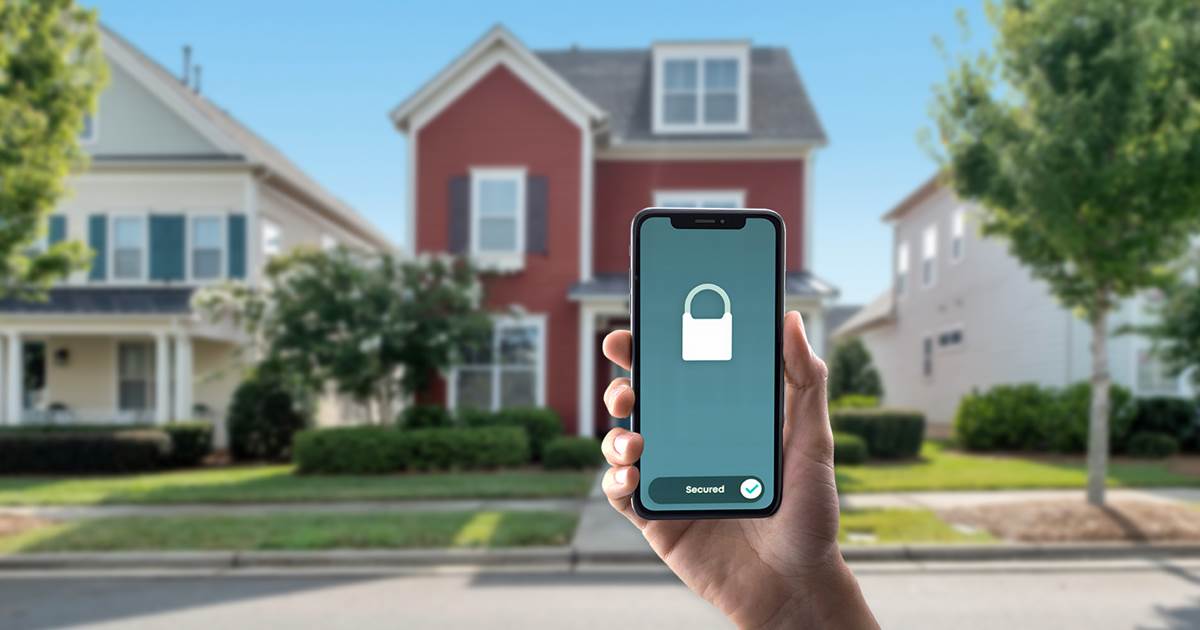
Remote monitoring has become a critical feature in modern Home Security, as it allows homeowners to oversee their property from anywhere in the world. Mobile apps provide live video feeds, alert notifications, door lock controls, and access to alarm settings. This ensures that the homeowner remains connected to their household even when on vacation, at work, or engaged in daily activities outside the home. Remote monitoring enhances response times significantly, offering immediate insight into potential issues. It also provides peace of mind, knowing that your Home Security system can be accessed and managed at any moment.
Cybersecurity and Protecting Smart Home Devices
As households incorporate more smart devices into their Home Security lineup, cybersecurity has become a growing concern. Hackers can target vulnerable systems if proper digital precautions are not taken. Ensuring secure Wi-Fi networks, using strong passwords, enabling two-factor authentication, and regularly updating firmware are essential steps to maintain digital protection. A secure smart home environment ensures that cybercriminals cannot access your devices or personal information. Digital safety is now a major part of Home Security, and homeowners must remain proactive in safeguarding their networks against emerging threats.
Outdoor Security and Landscape Protection
Outdoor areas are often the first line of defense in Home Security, as they can influence how vulnerable your property appears to potential intruders. Well-lit pathways, visible cameras, strong gates, and securely designed landscaping can all deter criminal activity. Outdoor security devices are built to withstand weather conditions and operate continuously, offering consistent monitoring of entry points such as driveways, backyards, patios, and side entrances. Investing in outdoor Home Security measures ensures that your home is protected long before someone reaches the front door.
Indoor Monitoring and Protecting Your Personal Space
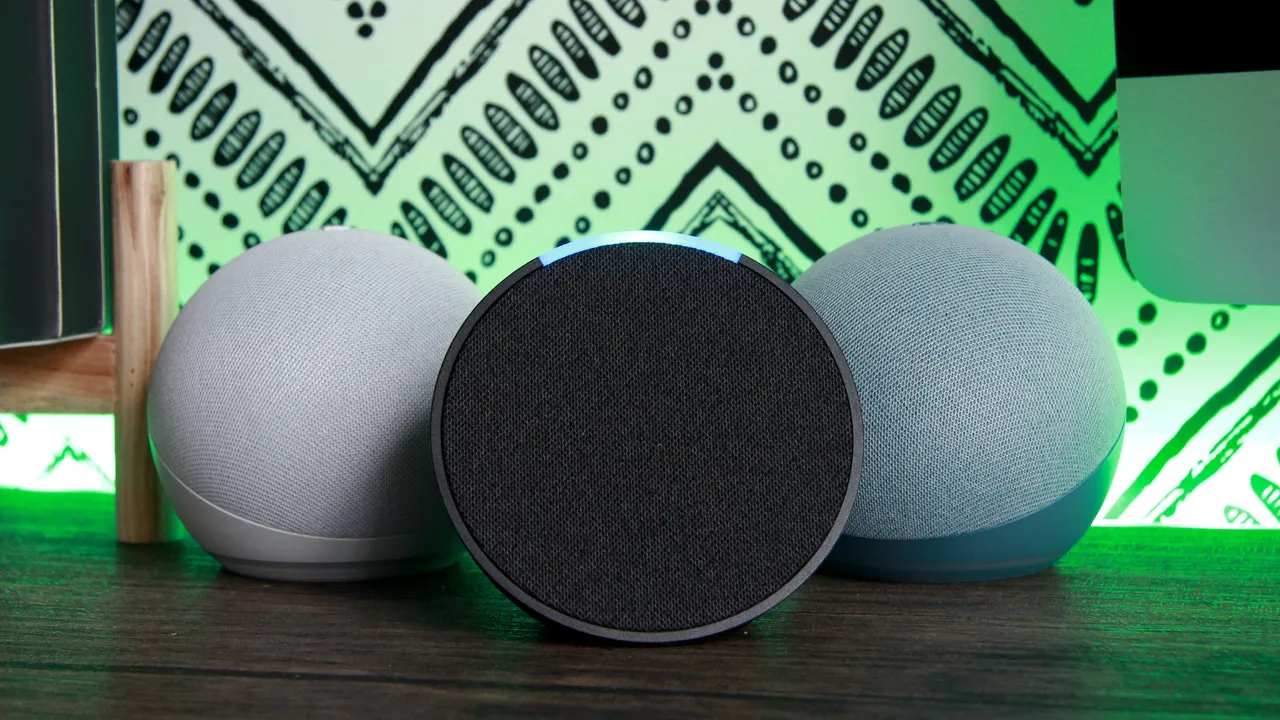
Indoor monitoring plays a crucial role in Home Security, particularly for families who want to keep an eye on children, elderly family members, or pets. Indoor cameras offer insight into daily life, emergencies, or suspicious behavior occurring inside the home. Advanced microphones and smart speakers can integrate with these systems to create voice-controlled safety responses. Monitoring indoor spaces ensures full visibility and gives homeowners confidence that their property and loved ones are safe at all times.
Emergency Detection: Smoke, Fire, and Carbon Monoxide
Comprehensive Home Security includes more than preventing break-ins; it also involves protecting your household from internal hazards such as fires, smoke, and carbon monoxide. Smart detectors provide real-time alerts, automatic emergency responses, and integration with sprinkler systems or emergency contacts. These technologies save lives, protect property, and ensure rapid intervention when danger arises. Incorporating emergency detection into your Home Security system is one of the most impactful investments a homeowner can make.
The Importance of Professional Monitoring vs Self-Monitoring
Choosing between professional monitoring and self-monitoring is an important step in building effective Home Security. Professional monitoring services operate 24/7, meaning trained individuals respond immediately to alerts. This offers an additional layer of protection, particularly in emergencies when homeowners are unable to respond. Self-monitoring relies entirely on the homeowner’s ability to view and respond to notifications, which can be efficient but also limited. The best approach depends on personal preference, lifestyle, and budget, but both forms of monitoring significantly strengthen Home Security overall.
Smart Lighting and Automated Illumination
Smart lighting has become a popular addition to Home Security due to its ability to discourage intruders simply by creating the appearance of an occupied home. Automated lighting schedules, motion-activated lights, and remote-controlled illumination provide enhanced control over visibility. Lighting plays a psychological role in security, and homes that appear well lit and active are far less likely to be targeted. Integrating smart lighting with other systems ensures a dynamic and responsive approach to household safety.
Environmental Monitoring and Flood Protection
Environmental monitoring is an often overlooked aspect of Home Security, yet water damage is one of the most common and costly household issues. Smart leak sensors and flood detectors provide alerts at the first sign of moisture, allowing quick action before major damage occurs. When combined with remote monitoring and automated shut-off valves, these systems provide an added layer of protection that extends beyond traditional security measures. Homeowners benefit from peace of mind knowing that their property is shielded not only from intruders but also from environmental threats.
Choosing the Right Home Security System for Your Needs
Selecting the right Home Security system requires careful consideration of your household layout, lifestyle, budget, and personal safety concerns. Factors such as the number of entry points, neighborhood crime rates, and family routines influence which devices and features are most appropriate. Some homeowners prefer a fully integrated smart system, while others opt for a simpler setup. Regardless of the level of complexity, the goal remains the same: to create a personalized Home Security solution that offers maximum protection and long-term reliability.
Conclusion
Strengthening your Home Security is one of the most important investments you can make in your household’s safety, comfort, and long-term protection. Modern systems offer a wide range of features, from smart cameras and AI-driven software to automated lighting and advanced sensors, all working together to provide comprehensive coverage. The increasing accessibility of security technologies has empowered homeowners to take charge of their protection and create customized systems that meet their unique needs. With the rapid evolution of smart devices, AI integration, and remote monitoring, Home Security continues to advance, offering higher accuracy, efficiency, and convenience. Prioritizing your household’s safety ensures peace of mind and prepares you for the challenges of the digital age. By understanding and implementing the essentials outlined in this guide, you establish a strong and proactive foundation for a secure, modern lifestyle. For more insights, head over to our main site.
FAQs
Frequently Asked Questions
What is the most important component of a Home Security system?
The most important component of a Home Security system depends on individual needs, but smart cameras are often considered essential because they provide immediate visibility and evidence. Cameras allow you to monitor your home in real time, review footage, and identify threats before they escalate. When combined with sensors and alarms, they form the core of a strong security setup.
Are smart locks reliable for everyday security?
Smart locks have become a highly reliable feature of Home Security, offering keyless entry, remote access, and tamper detection. They provide enhanced control compared to traditional keys and reduce the risk of unauthorized duplication. With features like encryption, two-factor authentication, and integrations with home monitoring systems, smart locks significantly strengthen access control.
Do I need professional monitoring for Home Security?
Professional monitoring can enhance the effectiveness of Home Security by ensuring that trained responders take immediate action during emergencies. While self-monitoring offers flexibility and convenience, professional monitoring adds an additional layer of protection, especially when homeowners are away or unable to respond to alerts. The decision ultimately depends on personal preference and lifestyle.
How does AI improve Home Security systems?
Artificial intelligence enhances Home Security by reducing false alarms, identifying suspicious patterns, recognizing familiar faces, and learning household routines. These capabilities create more accurate and proactive security responses. AI-powered devices can analyze data in real time, allowing homeowners to receive relevant alerts and maintain better control over their safety.
What steps can I take to protect smart devices from cyber threats?
Protecting smart devices is an essential part of Home Security. Homeowners should secure their Wi-Fi network with strong passwords, enable two-factor authentication, update device firmware regularly, and avoid using default login credentials. These measures reduce the risk of hacking and ensure that all connected security devices operate safely and efficiently.