
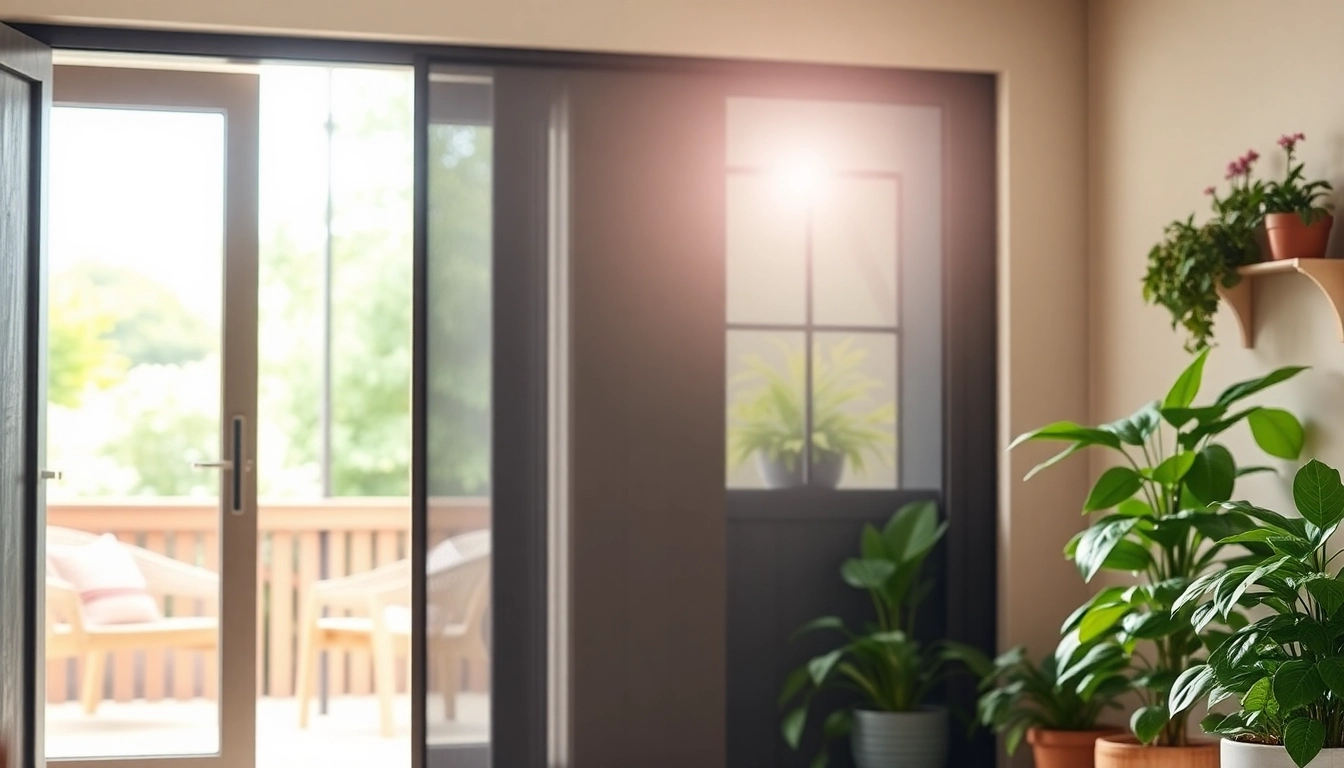
Understanding Fly Screens for Patio Doors
What is a Fly Screen for Patio Doors?
A fly screen for patio doors is a mesh barrier designed to allow fresh air while preventing insects, such as flies, mosquitoes, and other pests, from entering your home. These screens are primarily used on sliding and hinged patio doors, providing a practical way to enjoy the outdoors without the nuisance of bugs. They can come in various forms, including fixed, retractable, and magnetic screens, offering different levels of convenience and effectiveness.
Benefits of Installing Fly Screens for Patio Doors
- Enhanced Ventilation: Fly screens allow for airflow while keeping pests at bay. This ensures you can enjoy a fresh breeze in your home without worrying about bugs.
- Improved Comfort: By blocking insects, fly screens contribute to a more comfortable living space, particularly during warmer months when doors are frequently opened.
- Cost-Effective Solution: Installing a fly screen for patio doors is often more affordable than pest control services or extensive home repairs caused by infestations.
- Energy Efficiency: Keeping doors open without screens can lead to increased energy costs. Fly screens help maintain indoor temperatures, reducing reliance on air conditioning.
- Durability and Low Maintenance: Many fly screens are made from materials that resist wear and tear, making them last longer with minimal upkeep requirements.
Types of Fly Screens for Patio Doors
Understanding the different types of fly screens available for patio doors is crucial in making the best choice:
- Fixed Fly Screens: These are permanently installed and cannot be removed easily. They are suitable for areas where doors remain open frequently.
- Retractable Fly Screens: These retract neatly into a casing when not in use. They are ideal for aesthetics and flexibility, allowing users to open and close the doors without obstruction.
- Magnetic Fly Screens: Using magnets to close the screen, these options allow easy passage for people and pets while sealing off entry points for insects.
- Sliding Fly Screens: Designed specifically for sliding doors, these screens move alongside the door, maintaining ease of access without compromising insect protection.
Choosing the Right Fly Screen for Your Patio Doors
Factors to Consider When Selecting a Fly Screen for Patio Doors
Selecting the right fly screen involves several considerations to ensure functionality and compatibility:
- Size and Fit: Measure your patio door carefully to determine the appropriate size for the fly screen. A well-fitted screen minimizes gaps where insects can enter.
- Installation Method: Consider whether you prefer a DIY installation or professional assistance. Some fly screens require more complex setup than others.
- Material Quality: Assess the materials used for the screen mesh and frame. High-quality materials ensure durability and longevity.
- Ease of Use: Examine how user-friendly the screen is. For example, retractable screens should be smooth and straightforward to operate.
- Maintenance Requirements: Some materials may require more upkeep than others. Look for screens that are easy to clean and maintain.
Comparing Different Fly Screen Solutions
Here’s a brief overview of the common solutions and their pros and cons:
| Type | Advantages | Disadvantages |
|---|---|---|
| Fixed Screens | Durable; low maintenance | Permanent; less flexibility |
| Retractable Screens | Easy to use; restores aesthetics | Higher initial cost; requires maintenance |
| Magnetic Screens | Easy passage; simple installation | May not provide a complete seal |
| Sliding Screens | Custom-fit for sliding doors | May restrict sliding door functionality |
Custom vs. Ready-Made Fly Screens for Patio Doors
When choosing between custom and ready-made fly screens, consider the following:
- Custom Screens: Tailored to your specifications, ensuring a perfect fit. They also offer a wider range of materials and designs but can be more expensive.
- Ready-Made Screens: Generally cheaper and quicker to acquire. However, they may not fit perfectly, which could lead to gaps and reduced effectiveness against bugs.
Installation Guide for Fly Screens for Patio Doors
Tools and Materials Needed for Installation
Before starting your installation, gather the following tools and materials:
- Measuring tape
- Drill with appropriate bits
- Screwdriver
- Level
- Scissors (if cutting is needed)
- Fly screen kit (included mesh, frame, and fasteners)
Step-by-Step Installation Process
Follow these simple steps for a successful installation:
- Measure Your Door: Accurately measure the width and height of your patio door frame.
- Prepare the Frame: Cut the materials to fit your door, if necessary, using a level to ensure everything is straight.
- Assemble the Screen: Follow the manufacturer’s instructions to assemble the fly screen system properly. This may involve attaching the mesh to the frame.
- Install the Screen: Secure the frame to the door frame using screws or adhesive as per the instructions, ensuring a snug fit.
- Test the Functionality: Open and close the Patio door to gauge the effectiveness of the fly screen. Check for any gaps or obstructions.
Common Installation Mistakes to Avoid
To ensure a successful installation, avoid these pitfalls:
- Skipping accurate measurements, which can lead to ill-fitting screens.
- Neglecting to level the installation, resulting in a crooked screen.
- Forgetting to read the manufacturer’s instructions thoroughly.
- Using inadequate materials that can wear down quickly.
- Installing in poor weather conditions, which may affect adhesives and materials.
Maintenance Tips for Fly Screens for Patio Doors
Cleansing and Care for Longevity
Regular cleaning extends the lifespan of your fly screens:
- Gently remove any dust and debris using a soft brush or vacuum.
- Wash the screen gently with soapy water using a soft cloth or sponge.
- Rinse thoroughly and allow it to dry before reinstalling if removed.
Repairing Common Issues with Fly Screens
If your screen sustains damage, here are common solutions:
- Small Holes: Use a patch kit to seal minor tears or holes.
- Stretched Mesh: Replace or tighten the mesh if it becomes loose.
- Broken Frames: Look into repairing or replacing damaged sections instead of the entire screen if possible.
When to Replace Your Fly Screen for Patio Doors
Consider replacement if you notice:
- Significant wear and tear on the mesh
- Difficulty opening and closing the screen
- Failure to block insects effectively
- Visible damage or defects
FAQs About Fly Screens for Patio Doors
How do you prevent flies from entering through patio doors?
Fit a fine-mesh fly screen for patio doors that allows air while blocking insects. Spring hinges can minimize fly entry.
Can fly screens be installed on existing patio doors?
Yes, fly screens can be fitted to existing patio doors without special modifications, making it an easy solution.
What are the drawbacks of retractable fly screens?
Retractable fly screens may come at a higher cost than fixed options and require maintenance due to their moving parts.
How do I clean my fly screen for patio doors?
Gently remove the screen and use soapy water or a mild cleaner with a soft brush. Rinse thoroughly before reinstalling.
What size fly screen do I need for my patio doors?
Measure the width and height of your patio door to ensure a proper fit for your fly screen, allowing for accurate installation.