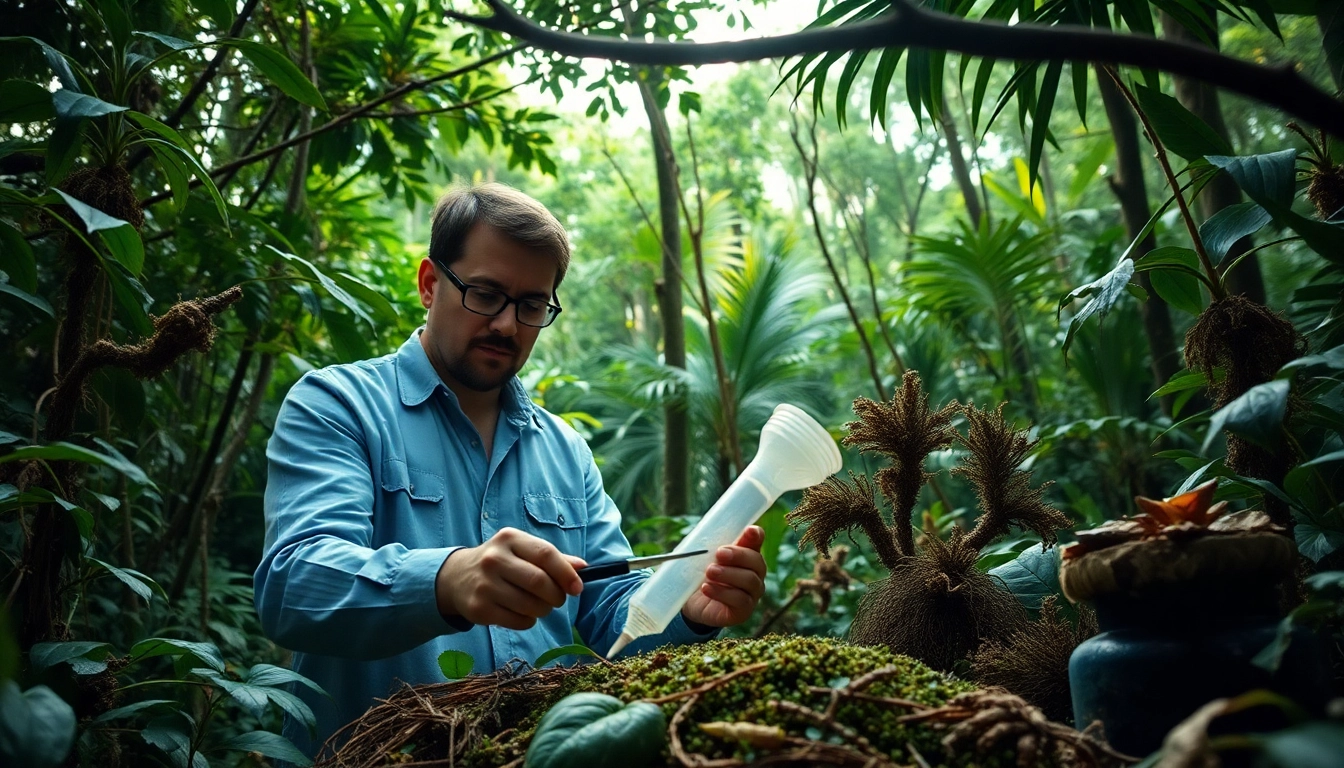
Introduction to DMT
Dimethyltryptamine (DMT) is a powerful psychedelic compound belonging to the tryptamine family, known for its intense visual and auditory hallucinations. This short-acting hallucinogen has gained significant attention in both recreational and therapeutic contexts. As the quest for enhanced consciousness and self-discovery continues, individuals are increasingly interested in how to get dmt and its various sources.
What is DMT?
DMT is a naturally occurring substance found in various plants and animals, known for its hallucinogenic properties. Chemically, it mimics the neurotransmitter serotonin, which plays a critical role in mood, perception, and consciousness. DMT is unique in that it can induce profound alterations in perception and awareness even when consumed in small amounts. Users frequently report experiences of entering alternate realms of existence, encountering entities, and experiencing a sense of unity with the universe.
Natural Sources of DMT
DMT is primarily derived from several natural sources, particularly the roots and bark of certain plants. The most notable among these are:
- Mimosa Hostilis: Commonly used in traditional ayahuasca brews, this plant has a high concentration of DMT in its root bark.
- Psychotria Viridis: Traditionally utilized in South America, this plant is often combined with other components in ayahuasca ceremonies.
- Diplopterys Cabrerana: Another significant plant used for producing DMT, primarily in shamanic practices.
Additionally, DMT can be found in trace amounts in many other plants, contributing to its status as a natural psychedelic.
Legal Status and Considerations
The legal status of DMT varies significantly across different countries. In many places, including the United States, DMT is classified as a Schedule I drug under the Controlled Substances Act, making it illegal to manufacture, distribute, or possess. However, some countries have permitted its use in religious or therapeutic contexts, particularly within indigenous cultures. As research into its potential therapeutic benefits (e.g., for treating depression and PTSD) continues to gain traction, discussions around legalization and regulation are becoming increasingly prominent.
Methods of Extraction
Understanding how to obtain DMT involves recognizing the methods of extraction utilized by those seeking to harness its properties. There are two primary methods: plant-based extraction techniques and laboratory synthesis.
Plant-Based Extraction Techniques
Plant-based extraction techniques involve the isolation of DMT from natural sources, primarily through various chemical processes. These methods often utilize solvents and acids to extract the compound while ensuring that impurities are minimized. Common extraction techniques include:
- Acid-Base Extraction: This common approach involves soaking plant material in an acidic solution to dissolve DMT and subsequently neutralizing the mixture to precipitate the alkaloids.
- Steam Distillation: A method that separates compounds based on their vaporization points, enabling the collection of DMT in vapor form from the plant material.
These methods require careful handling of chemicals and an understanding of organic chemistry to ensure safety and efficacy.
Laboratory Synthesized DMT
In addition to natural extraction, DMT can also be synthesized in a laboratory setting. This process allows for a controlled environment, reducing the risk of contamination found in plant-based methods. Laboratory synthesis often involves the use of specific chemicals and reactions, including:
- Trytophan Methylation: Chemists exploit the amino acid tryptophan to create DMT through a series of methylation reactions.
- Synthetic Routes: Advanced methodologies can yield DMT through various synthetic pathways, focusing on efficiency and purity.
Researchers interested in synthesizing DMT must adhere to strict regulatory guidelines to ensure compliance and safety.
Safety Measures in Extraction
Safety is paramount while extracting DMT, whether from plants or via laboratory methods. Key considerations include:
- Protective Equipment: Use gloves, masks, and goggles to prevent exposure to hazardous chemicals and compounds.
- Fume Hood: Conduct extractions in ventilated areas or fume hoods to minimize inhalation of toxic fumes.
- Knowledge of Chemicals: Understanding the properties and hazards of all substances used in the extraction process is essential to mitigate risk.
Proper documentation and compliance with local laws are also critical components of safely extracting DMT.
Historical and Cultural Perspectives
DMT has a rich history intertwined with indigenous practices and modern adaptations, shedding light on its significance and evolving role in culture.
DMT in Indigenous Practices
In many South American cultures, DMT has been utilized for centuries in traditional medicine and spiritual rituals. Indigenous populations like the Ayahuasca practitioners combine DMT-rich plants into brews that facilitate spiritual journeys, healing, and connection with the divine. These practices emphasize community involvement, guided journeys, and the importance of set and setting, often led by experienced shamans who provide support during the experience.
Modern Adaptations and Uses
In recent years, there has been a resurgence in interest in DMT among non-indigenous cultures, often framed within therapeutic and self-exploration contexts. Retreat centers offering guided DMT experiences have emerged, allowing individuals to explore altered states of consciousness in a structured environment. Additionally, scientific investigations into its potential therapeutic benefits are prompting discussions about its role in psychiatry and mental health.
The Role of Spirituality and Healing
DMT is increasingly being recognized for its potential to facilitate profound psychological insights and emotional healing, paralleling its historical use in spiritual contexts. Preliminary studies suggest that DMT experiences can lead to lasting positive changes in perception, emotional regulation, and well-being.
While a growing number of people seek to undertake DMT journeys for personal growth or healing, it is crucial to approach these experiences with intention, preparation, and awareness of the potential psychological impacts.
Legal and Ethical Implications
The discussion surrounding DMT also involves various legal and ethical considerations that are critical for users and practitioners alike.
Understanding Drug Laws
Understanding the legal landscape surrounding DMT is essential for anyone interested in exploring its effects. Activities related to the manufacture, sale, or possession of DMT can pose legal risks, depending on jurisdiction. Those seeking to engage with DMT should thoroughly research local laws and regulations, considering potential consequences involved.
Ethical Sourcing of DMT
When sourcing DMT, ethical considerations must be prioritized. Harvesting plant materials in sustainable and respectful ways is paramount to avoid exploiting natural resources and indigenous knowledge. Collaborating with local communities and respecting traditional practices can reinforce ethical engagement with DMT and its sources.
Consequences of Illegal Extraction
Engaging in illegal DMT extraction poses various consequences, both legal and environmental. Legal repercussions can include fines, criminal charges, and imprisonment. Environmentally, irresponsible extraction methods can damage ecosystems, threaten species, and disrupt local communities that rely on indigenous plants for their livelihoods. Practicing responsible engagement, understanding regulations, and prioritizing research and sustainability are paramount to avoid these pitfalls.
FAQs about DMT Extraction
How is DMT extracted from plants?
DMT extraction from plants typically involves either acid-base extraction or steam distillation. Acid-base extraction isolates DMT by dissolving it in an acidic solution and precipitating it through neutralization.
Is it safe to extract DMT at home?
Extracting DMT at home involves risks due to potential chemical exposure and legal implications. It requires knowledge of chemistry and safety procedures to prevent accidents.
What plants contain natural DMT?
Natural sources of DMT include plants like Mimosa hostilis, Psychotria viridis, and Diplopterys cabrerana, commonly found in South America and traditionally used in indigenous rituals.
Is DMT legal everywhere?
DMT legality varies by country. In many places, including the U.S., it is classified as a Schedule I substance, while in some regions, it’s allowed for religious or therapeutic use.
How does DMT affect the mind and body?
DMT can induce intense hallucinations, altered perceptions of reality, and emotional insights. Effects can vary significantly, including euphoria, anxiety, and profound spiritual experiences.