
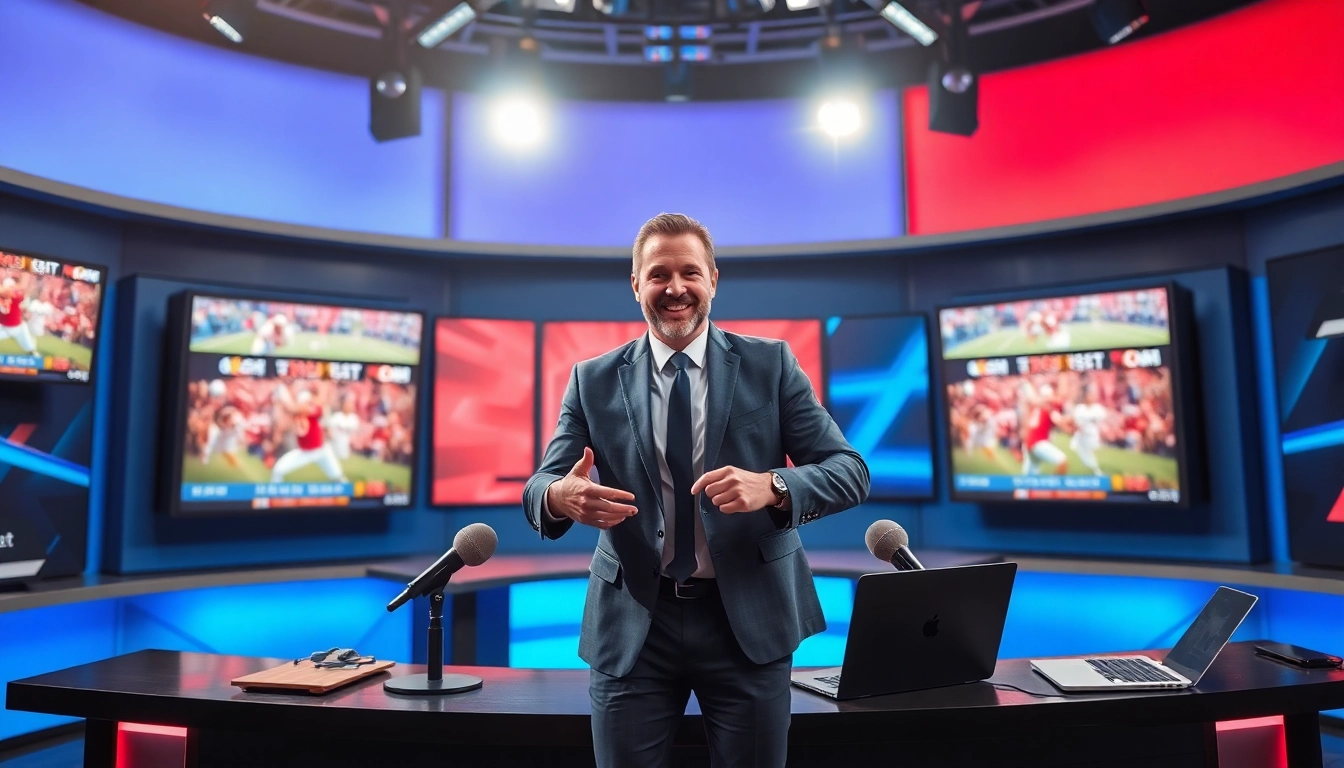
Understanding Sports Broadcasting
Defining Sports Broadcasting
At its core, Sports Broadcasting involves the transmission of live sports events through various media channels to an audience. This encompasses not only the visual representation of the games but also the commentary, analysis, and discussions that occur during these events. The aim is to engage viewers by providing them with real-time access to sports events, detailed information about teams and players, and dynamic analysis that enhances their viewing experience. As a highly competitive sector within the media industry, understanding the nuances of Sports Broadcasting is critical to navigating the field effectively. For those looking to explore the realm of sports media, Sports Broadcasting offers a myriad of opportunities for innovation and creativity.
The Evolution of Sports Broadcasting
The journey of Sports Broadcasting dates back to the early 20th century. Originally, athletic events were broadcast via radio, allowing audiences to experience the thrill of live games through audio commentary. This format evolved rapidly with the advent of television in the 1950s, marking a pivotal shift in how audiences consumed sports content. Today, the landscape has expanded dramatically; digital streaming platforms, social media, and mobile applications have revolutionized the way fans engage with their favorite sports.
The rise of the Internet has democratized Sports Broadcasting, enabling anyone with a camera and internet connection to share live events. Today, competing platforms offer various viewing experiences, from traditional cable packages to on-demand streaming services, catering to an ever-evolving audience with diverse preferences.
Key Players in Sports Broadcasting
The sports broadcasting industry comprises various stakeholders, including networks, streaming platforms, production companies, and advertisers. Major broadcasting networks like ESPN and NBC are foundational pillars of traditional broadcasting, while digital platforms like YouTube and Twitch have emerged as influential newcomers, especially among younger audiences. Each player contributes uniquely, shaping content delivery, production quality, and audience engagement strategies.
The relationship between broadcasters and sports leagues is also vital; broadcasters often acquire exclusive rights to showcase events, impacting audience access to live sports. Moreover, as technology advances, companies focusing on augmented reality and virtual reality components are gaining traction, providing immersive experiences that redefine traditional viewing.
Essential Equipment for Sports Broadcasting
Cameras and Lighting Setup
High-quality visuals are critical in delivering a compelling viewing experience in Sports Broadcasting. The choice of cameras can vastly affect the outcome of a broadcast. Professional sports broadcasters typically employ multi-camera setups with high-definition cameras, capable of capturing various angles and close-ups during live events.
Lighting plays a crucial role in enhancing video quality. Proper lighting can reduce shadows and highlight player movements on field, making it easier for viewers to engage with the game. Utilizing LED lights and softboxes helps achieve the desired effects, especially during night games or indoor events.
Audio Equipment Essentials
Audio quality is just as important as visual clarity. Live sports feature on-field sounds, commentary, and crowd reactions—all of which contribute to the overall atmosphere. Utilizing high-quality microphones, including lavalier mics for commentators and shotgun mics for picking up ambient sounds, ensures a richer audio landscape. Additionally, using mixers allows for dynamic control over audio feeds, enabling broadcasters to maintain clarity amidst the noise.
Editing Software for Sports Broadcasting
Post-production is a crucial phase of Sports Broadcasting. Editing software such as Adobe Premiere Pro, Final Cut Pro, and Avid Media Composer are industry standards, allowing broadcasters to create highlight reels, promos, and analyses. Effective editing transforms raw footage into engaging narratives, significantly impacting audience retention and engagement. Understanding the software capabilities—like multi-cam editing, color grading, and sound mixing—enables editors to craft polished broadcasts that resonate with viewers.
Selecting Sports Broadcasting Platforms
Traditional vs. Digital Broadcasting
The choice between traditional and digital broadcasting is one of the most strategic decisions for any sports media entity. Traditional broadcasting, primarily through cable and satellite, offers stability and widespread access. However, digital broadcasting is rapidly gaining traction by providing flexibility, customization, and global reach.
While traditional platforms may take longer to adapt to audience preferences, digital platforms often incorporate interactive features, allowing viewers to select camera angles, access player stats, or engage in live chats. This engagement is particularly appealing to younger audiences increasingly accustomed to personalized media consumption experiences.
Streaming Platforms for Sports Broadcasting
Streaming services have redefined the consumption of sports content. Platforms like Netflix or Amazon Prime Video are merely starting to dabble, while dedicated sports networks are optimizing their offerings on platforms like DAZN or ESPN+. These platforms not only provide flexibility in accessing games but also leverage data analytics to enhance viewer engagement.
Many sports fans prefer the convenience of watching games on mobile devices; therefore, mobile apps need to be well-designed, with smooth streaming quality and user-friendly interfaces. Interactive features like live stats, player tracking, and social sharing further enhance the engagement opportunity.
Choosing the Right Audience for Your Content
Understanding the target audience is vital for effectively delivering sports content. Different demographics have varying expectations and preferences; for instance, younger audiences may gravitate towards fast-paced highlights and social media clips, while older audiences might appreciate in-depth analyses and long-form content.
Researching audience behavior and preferences through surveys, social media interactions, and viewing statistics can inform content strategies, ensuring that broadcasts resonate with viewers while maximizing engagement and retention.
Techniques for Effective Sports Broadcasting
Engaging Storytelling in Sports Broadcasting
Storytelling is a powerful tool in Sports Broadcasting. Great sports anecdotes can captivate viewers and deepen their emotional connections to the events and players. Broadcasters should strive to weave narratives about players’ journeys, team rivalries, or significant moments in sporting history within their live coverage.
Utilizing graphics, player stats, and insights can further enhance storytelling, providing viewers with a context that enriches their understanding of the game. A good storyteller balances data with emotion, delivering a compelling experience transcending the sport itself.
Live Commentary Tips and Tricks
Effective live commentary is crucial during sports broadcasts. Commentators must be knowledgeable, articulate, and engaging. They should be well-prepared with player statistics, historical context, and insights to share during the broadcast. Additionally, reaction times are paramount during live events; being able to correlate commentary with on-field action enriches viewer experience.
Voice modulation and pacing can also influence audience engagement. Commentators should vary their tone and volume according to the unfolding drama on the field, encouraging viewers to feel the highs and lows of the game.
Building a Connection with Your Audience
In today’s competitive media landscape, building a genuine connection with the audience is essential. Engaging with viewers through social media platforms can significantly increase overall satisfaction and loyalty. Broadcasters should encourage audience interaction by soliciting feedback, running polls, or hosting live Q&A sessions.
Creating a sense of community fosters brand loyalty, encouraging viewers to return for more content. This relationship is cultivated through consistent communication and by offering value beyond just the live event, such as post-game analyses or exclusive interviews with players.
Measuring Success in Sports Broadcasting
Key Metrics for Evaluation
Measuring success in Sports Broadcasting involves tracking various performance metrics. Ratings, which indicate the number of viewers, are crucial for assessing the immediate reach of live broadcasts. Additionally, analyzing viewer engagement metrics—including social media interaction, live chat participation, and post-event surveys—provides deeper insights into audience preferences.
Another vital metric is viewer retention rates, showing how many viewers stay throughout the broadcast. High retention rates indicate successful content that maintains interest, while low retention suggests the need for content improvements.
Adjusting Content Strategies Based on Feedback
Feedback from viewers can serve as a rich resource for refining content strategies. Conducting regular surveys, analyzing social media comments, and monitoring engagement metrics should inform program adjustments. Emphasizing viewer feedback helps ensure the content remains relevant and engaging, while also keeping audiences invested in future broadcasts.
Future Trends in Sports Broadcasting
The future of Sports Broadcasting is geared towards greater interactivity and personalization. Innovations such as virtual and augmented reality promise to offer immersive experiences that transport viewers into the games. Moreover, utilizing artificial intelligence can help broadcasters analyze viewer data and preferences, tailoring content to suit individual tastes.
Another trend is the increasing integration of analytics into broadcasting, providing real-time updates and insights that enhance the viewing experience. As audience expectations evolve, embracing these trends will be critical for staying relevant in the continuously changing sports media landscape.