
Choosing the Right Plant Pots for Your Needs
When it comes to making your indoor and outdoor spaces vibrant with greenery, selecting the right plant pots is crucial. Whether you're a seasoned gardener or just starting, the diversity of plant pots available today can be overwhelming. Understanding the various materials, designs, sizes, and functions can help you make informed decisions that benefit both your plants and your aesthetic preferences.
Understanding Material Benefits: Ceramic vs. Plastic
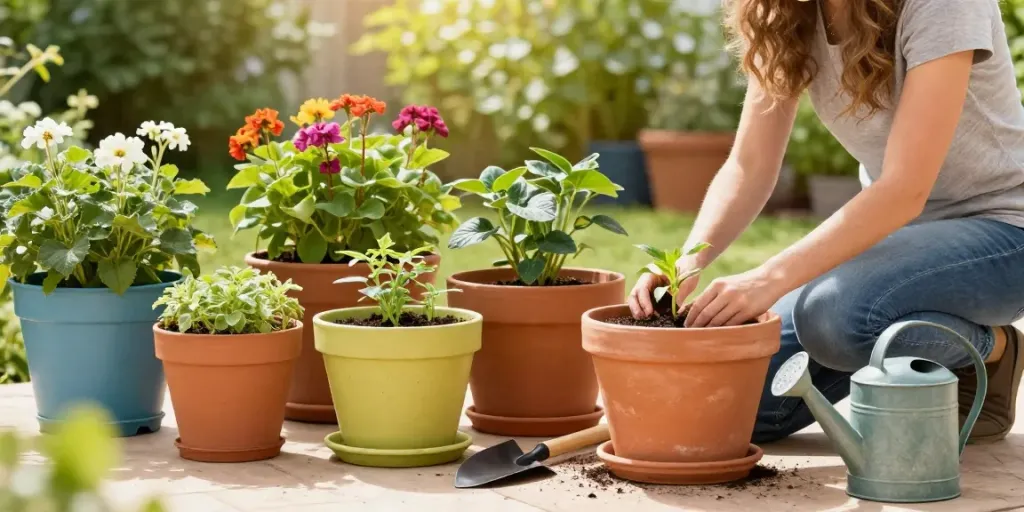
Choosing between ceramic and plastic plant pots can greatly affect the health of your plants. Ceramic pots are generally heavier and provide excellent insulation for the soil, creating a stable environment for plant roots. They often come in various artistic designs, making them an attractive addition to home décor. However, ceramic pots tend to be more expensive and can crack in freezing temperatures.
On the other hand, plastic pots are lightweight, affordable, and available in numerous shapes and sizes. They are easier to handle and can be a great option for container gardening, particularly for larger plants. However, while they may not provide the same level of insulation as ceramic, many modern plastic pots are designed with added features that enhance drainage and aeration.
Size Matters: Selecting the Perfect Pot for Your Plants
The size of your plant pot is critical for plant growth. A pot that is too small can restrict root development, while one that is too large may hold excess moisture, leading to root rot. When selecting a pot size, consider the type of plant, its growth rate, and how deep its roots grow. For example, deep-rooted plants like tomatoes thrive best in larger pots, while shallow-rooted herbs can do well in smaller containers. Regularly checking your plants' root systems will indicate when it's time to repot them into larger containers.
Design and Aesthetics: Matching Pots with Your Home Decor
The visual appeal of your plant pots can complement your home décor, enhancing the overall look of your space. From rustic clay pots to modern geometric designs, there’s an option available for every style. Consider your interior theme: minimalist spaces might benefit from sleek, monochrome pots, while vibrant, colorful pots can add a pop of color to more eclectic settings. Furthermore, the right pot not only showcases the plant but can also reflect your personal style.
Preparing Your Plant Pots for Optimal Growth
Getting your plant pots ready is just as important as choosing them. Proper preparation ensures your plants will thrive in their new homes.
Importance of Drainage: How to Ensure Healthy Plants
Drainage is essential for healthy plant growth, as it prevents water from accumulating in the pot. Most plants prefer a well-draining environment that mimics natural soil conditions. Make sure your pots have adequate drainage holes. If your chosen pots lack these, consider adding a layer of gravel or stones at the bottom to aid in water flow. Additionally, choosing the right potting mix can also impact drainage.
Soil Selection: What to Use for Different Plant Types
Choosing the appropriate soil blend is vital for your plants' health. Different types of plants have varying soil requirements, such as moisture retention or aeration. For instance, succulents and cacti thrive in sandy, well-drained soil, while tropical plants prefer a mix that retains moisture. Always research the specific needs of your plants before filling your pots to ensure they receive the best care.
Fertilizer Application: Enhancing Growth in Container Gardens
Proper fertilization can significantly impact plant growth in pots. Container plants are limited in their nutrient uptake, and regular fertilization is essential for maintaining soil fertility. Use a slow-release fertilizer according to the needs of your specific plants and reapply as directed. Be cautious not to over-fertilize, as this can harm your plants.
Effective Watering Techniques for Plant Pots
Understanding how to water your potted plants effectively is crucial for their survival. Overwatering and underwatering are two of the most common issues faced by plant owners.
Watering Frequency: How to Determine the Right Schedule
Watering frequency should be adjusted based on several factors, including plant type, pot size, and environmental conditions. As a rule of thumb, allow the top layer of soil to dry out before watering again. This encourages healthy root growth and prevents overwatering. Remember, plants in smaller pots usually require more frequent watering than those in larger containers.
Signs of Overwatering and Underwatering: What to Look For
Recognizing the signs of overwatering or underwatering can save your plants from serious harm. Overwatered plants often display yellowing leaves, wilting, and root rot, while underwatered plants may have droopy leaves, dry soil, and stunted growth. Monitoring your plants regularly will help you catch these issues early and make necessary adjustments.
Self-Watering Pots: Pros and Cons
Self-watering pots can be beneficial, especially for busy individuals, as they reduce the frequency of watering. These pots typically feature a reservoir that allows plants to absorb water as needed. However, they can also lead to overwatering if not monitored correctly. Understanding the needs of your specific plants will help you decide whether self-watering pots are the right choice for you.
Caring for Your Plant Pots Throughout the Seasons
The care of your plant pots can vary significantly with the changing seasons. Taking proper precautions can enhance plant health year-round.
Winter Care: Protecting Plants in Cold Weather
Cold weather can pose challenges for outdoor pots. To protect your plants during frosty months, consider moving pots indoors or grouping them together for insulation. Utilizing insulating materials like burlap or bubble wrap can also help shield pots from freezing temperatures. For plants that must remain outdoors, ensure they are hardy enough to withstand winter conditions.
Summer Strategies: Keeping Plants Hydrated and Healthy
In warmer months, plants often require more attention, particularly regarding hydration. Increase your watering frequency, especially for pots placed in direct sunlight. Additionally, using mulch can help retain moisture and regulate soil temperature. Be vigilant for signs of stress, such as wilting or scorched leaves, which can indicate that your plants need immediate care.
Repotting: When and How to Move Your Plants to Larger Pots
Repotting is essential for the health of your plants, especially when they outgrow their current containers. Signs that it’s time to repot include roots growing out of the drainage holes or the plant becoming top-heavy. When repotting, choose a container slightly larger than the current one and fill it with a fresh potting mix. This allows your plants to continue thriving and developing properly.
Future Trends in Plant Pots and Gardening
The future of plant pots and gardening is evolving rapidly, reflecting current environmental, technological, and societal trends.
Sustainable Materials: The Shift to Eco-Friendly Plant Pots
As sustainability becomes a priority, so too does the creation of eco-friendly plant pots. Many manufacturers are focusing on biodegradable materials that reduce landfill waste. Pots made from recycled plastics, bamboo fibers, and natural fibers are gaining popularity. Such materials not only benefit the environment but can also enhance the health of your plants by providing better aeration.
Smart Gardening: Technology in Plant Care Solutions
The integration of technology into gardening is on the rise, with smart pots that monitor soil moisture, light levels, and temperature now available. These pots can assist in automating watering schedules and providing alerts to users, helping ensure optimal plant health even for novices. As technology continues to advance, we can expect more innovative solutions to support plant care.
Urban Gardening: Innovative Pot Designs for Small Spaces
With urban living on the rise, pot designs are becoming increasingly creative to accommodate gardening in small spaces. Vertical gardens, hanging pots, and modular systems allow city dwellers to maximize their limited space for growing plants. These innovative designs not only utilize space efficiently but also beautify urban environments.
FAQs
Where's the best place to buy pots for plants?
Many retail outlets, both online and in-store, offer a wide selection of plant pots, including home improvement stores, garden centers, and specialized online retailers. Each option has its benefits, so consider convenience and variety when making your choice.
What is the best website to buy plant pots online?
Several websites provide an extensive range of plant pots, including Amazon, Home Depot, and specialized gardening sites. When looking for specific types or styles, it's worth checking reviews and product specifications for the best fit for your needs.
Where can I buy cheap but nice plant pots?
Discount retailers and home goods stores often offer affordable options for quality plant pots. Additionally, local thrift stores might have unique and inexpensive choices. Always inspect the pots for quality before purchasing.
Do plants do better in ceramic or plastic pots?
Both ceramic and plastic pots have their pros and cons. Ceramic pots provide excellent insulation and aesthetic appeal, whereas plastic pots are lightweight and more economical. Ultimately, the choice depends on the specific needs of the plant and personal preferences of the gardener.
How to choose the right size plant pot for my plants?
Consider the growth habits of your plants, their root depth, and the space available. Generally, aim for pots that are 1-2 inches larger in diameter than the current pot to encourage healthy growth.