
Understanding the Importance of Central Heating Leak Detection
Why Central Heating Leak Detection is Essential
Central heating systems are a fundamental component of home comfort, especially during colder months. However, these systems are also susceptible to leaks, which can lead to a variety of issues, including increased energy costs, property damage, and reduced system efficiency. Central Heating Leak Detection is crucial for identifying and mitigating these risks early to maintain the system’s functionality and the safety of the home.
Common Signs of Central Heating Leaks
Recognizing the signs of a central heating leak can save homeowners from expensive repairs. Some common indicators include:
- Unexplained Water Puddles: Puddles near the boiler or radiators can indicate a leak within the system.
- Decreased Boiler Pressure: A sudden drop in boiler pressure may suggest a leak. Monitoring the pressure gauge is essential.
- Increased Energy Bills: Higher than usual energy bills may indicate that the heating system is working harder due to leaks.
- Unusual Noises: Hissing or gurgling sounds from radiators may signal trapped air or leaking fluids.
Consequences of Ignoring Central Heating Leaks
Neglecting to address a central heating leak can lead to severe consequences. Water damage can compromise the structural integrity of a home. Continued leakage can result in mold growth, which poses health risks to inhabitants. Moreover, as leaks worsen, the costs associated with repairs escalate, making timely detection crucial.
Methods for Effective Central Heating Leak Detection
Visual Inspection Techniques
The first step in detecting a leak is a thorough visual inspection. Homeowners should inspect areas around the boiler, pipes, and radiators for signs of water damage, corrosion, or wet patches. Look for:
- Rust or corrosion on pipes.
- Discoloration or flaking paint around heating appliances.
- Peeling wallpaper or ceiling damage near heating installations.
Using Thermal Imaging for Leak Detection
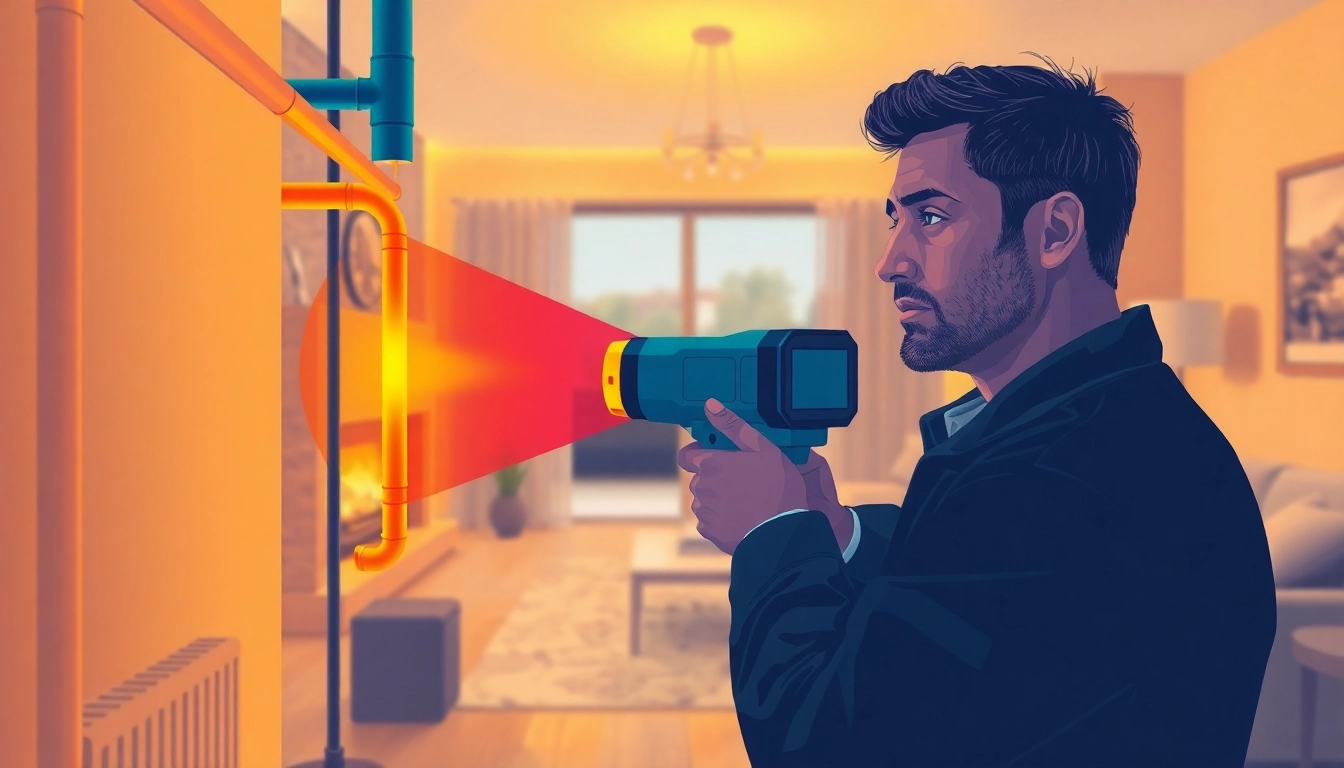
Thermal imaging technology has revolutionized leak detection. By employing infrared cameras, technicians can visualize heat patterns and identify cold spots indicative of leaks. This non-invasive method allows for quick and efficient diagnostics, reducing the need for extensive disruptions in the home.
Pressure Testing: A Proven Method
Pressure testing involves pressurizing the heating system and monitoring any drops in pressure. If a drop occurs, it suggests that there is a leak present. This method is often used in conjunction with other detection techniques to confirm the presence and location of leaks.
DIY vs Professional Central Heating Leak Detection
When to Choose DIY Central Heating Leak Detection
For small residential systems, homeowners may choose to conduct basic leak detection activities themselves. Symptoms such as noticeable puddles or low pressure may prompt individuals to check valves and joints for leaks. Simple tools like wrenches and towels may be sufficient for minor repairs, making DIY detection feasible in certain contexts.
Benefits of Hiring Professionals for Leak Detection
While DIY methods can be beneficial, many situations warrant professional intervention. Trained technicians have access to advanced equipment and expertise that allow for precise diagnostics. Professionals can quickly identify hidden leaks within walls or floors without causing unnecessary damage.
Cost Considerations for Leak Detection Services
The cost of professional leak detection services varies based on the complexity of the system and the extent of the leak. On average, homeowners can expect to pay for the expertise and tools required for comprehensive leak diagnostics. However, this can be a worthwhile investment to prevent more significant damage and repair costs in the future.
Advanced Technologies in Central Heating Leak Detection
Utilizing Smart Sensors in Home Heating Systems
Smart home technology has introduced a new era of leak detection. Sensors integrated into central heating systems can provide real-time data regarding system performance and detect issues promptly. These devices can alert homeowners to drops in pressure or unexpected moisture increases, allowing for immediate action.
Future Trends in Leak Detection Technology
As technology advances, so does the landscape of leak detection. Future developments may include the use of machine learning algorithms to predict potential leaks based on patterns in system usage. This proactive approach will enable homeowners to address issues before they escalate into costly repairs.
Integrating Leak Detection with Home Automation
Home automation represents a significant opportunity for enhancing leak detection capabilities. By integrating leak detection sensors with home automation systems, homeowners can receive alerts on their devices, automate responses like shutting off water flow, and monitor their heating systems remotely.
Maintaining Your Central Heating System Post-Detection
Regular Maintenance Tips for Central Heating
To prevent leaks from developing and to ensure the longevity of the central heating system, homeowners should adhere to a regular maintenance schedule. Key practices include:
- Annual boiler servicing by a qualified technician.
- Regular inspections of pipes and radiators.
- Bleeding radiators to avoid air locks.
- Checking the expansion vessel and pressure gauge regularly.
How to Repair Common Central Heating Leaks
Minor leaks in joints or valves may be repaired using plumber’s tape or sealant. For more significant leaks, replacing faulty components or sections of pipe may be necessary. It is advisable to consult with a professional for guidance on the best repair strategies for specific leak issues.
Setting Up a Leak Monitoring System
Consider investing in a leak monitoring system that offers continuous monitoring and instant notifications, ensuring that any issues are detected as soon as they arise. Systems that interconnect with home alarms or smart devices can provide enhanced security for homeowners.