Introduction
Choosing the right water filter for your home is not as simple as picking the first product you see on the store shelf. Water quality, taste, and health benefits all depend on the filtration system you choose. Two of the most popular brands in the market are Pur and Brita. Homeowners often ask the same question: pur or brita?
In this article, we’ll explore both filtration systems in detail. We’ll look at their performance, cost, convenience, and overall value. By the end, you’ll be equipped to make an informed choice about which system is best for your home.
Understanding Water Filtration
Water filtration is the process of removing contaminants, impurities, and unwanted chemicals from your tap water. The goal is to make your water safer, cleaner, and better tasting.
How Home Water Filters Work
Both Pur and Brita use activated carbon and other filtering technologies to reduce impurities. Activated carbon works like a sponge, absorbing chemicals, chlorine, and other particles that can affect water taste and safety. Some filters also use ion exchange technology, which can remove metals like lead and mercury.
Why It Matters
Not all tap water is created equal. Depending on your city or region, water may contain chlorine, fluoride, heavy metals, or even sediment. Filtering your water ensures that your family drinks clean water every day.
Pur vs Brita: Brand Overview
Pur
Pur is a well-known brand that emphasizes advanced filtration. Many Pur filters are certified to remove more contaminants than standard filters. They often target chlorine, mercury, lead, and other harmful substances.
Pur offers various products, including:
- Faucet-mounted filters
- Pitcher filters
- Water dispenser systems
Pur is recognized for its focus on performance and contaminant reduction.
Brita
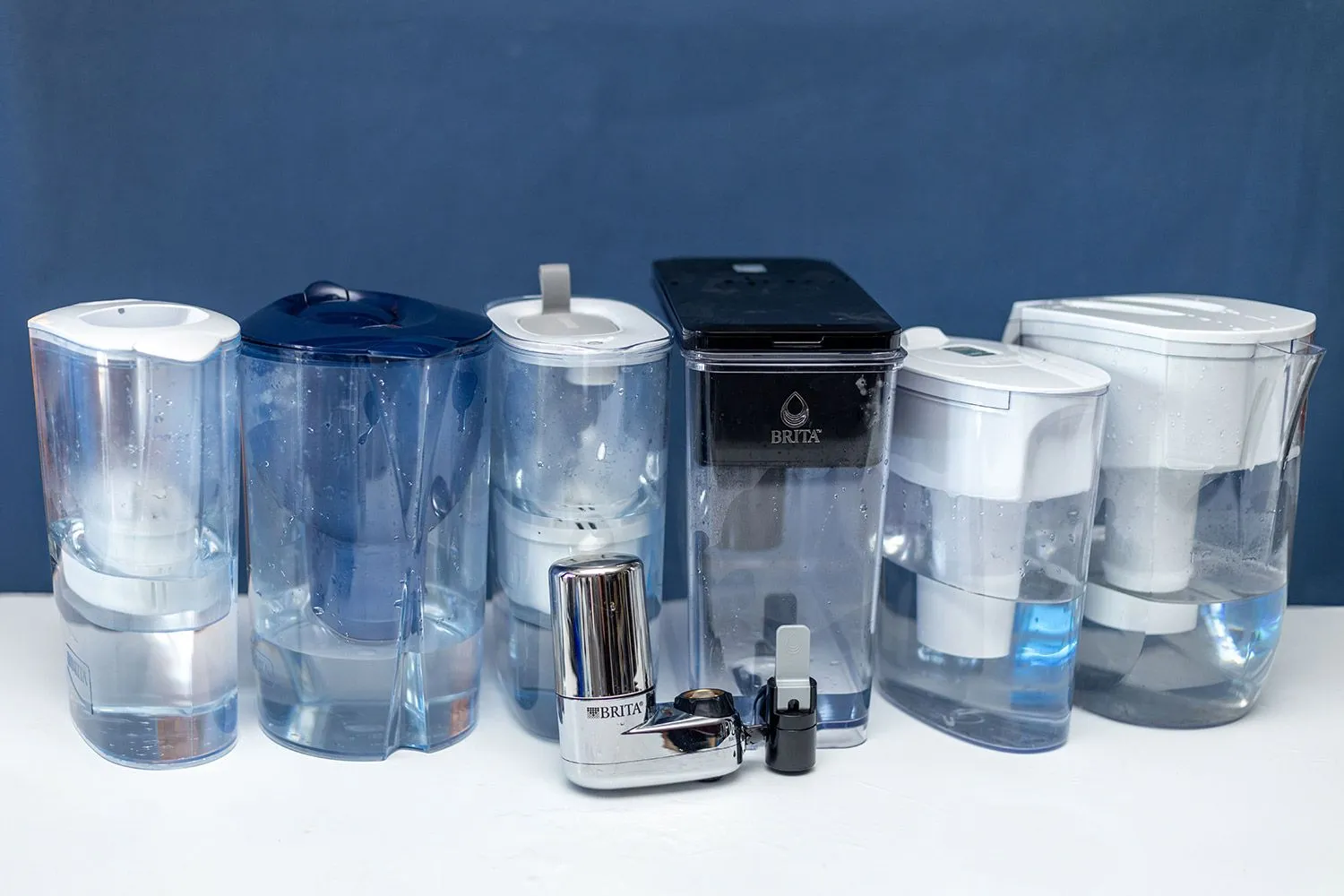
Brita is one of the oldest and most popular water filter brands. Known for convenience and affordability, Brita filters are easy to use and widely available. Their products include:
- Pitcher filters
- Dispenser filters
- Faucet filters
Brita focuses on improving taste, odor, and basic contaminant removal, making it a reliable choice for families who want clean water quickly.
Comparing Filtration Performance
Contaminant Removal
Pur filters generally remove more types of contaminants than Brita. For example, many Pur filters are certified to remove:
- Lead
- Mercury
- Chlorine
- Certain pesticides and pharmaceuticals
Brita filters remove chlorine, some metals, and sediment but are less effective against lead compared to Pur. If you are concerned about heavy metals, Pur might be the better option.
Taste and Odor
Both Pur and Brita significantly improve the taste and smell of tap water. Users often report that water from Pur feels slightly smoother, while Brita water tastes cleaner but can sometimes retain minor chlorine taste depending on the local water supply.
Filtration Speed
Pur’s faucet filters are generally faster than pitcher filters, as water flows directly through the system. Brita pitchers require filling and waiting for filtration, which can take a few minutes per cycle.
Design and Convenience
Pur
Pur offers sleek, modern designs for pitchers and faucet attachments. Some features include:
- Electronic filter change indicators
- High-capacity reservoirs
- Easy installation for faucets
Pur systems are often larger, which is good for families who need more filtered water at once.
Brita
Brita pitchers are lightweight and portable, making them convenient for small kitchens or dorm rooms. Features include:
- Easy-to-read filter indicators
- Simple assembly and replacement
- Variety of sizes to fit different needs
Brita’s design focuses on practicality and accessibility rather than high-capacity filtration.

Cost Comparison
Initial Cost
- Pur pitchers: $30–$50
- Pur faucet systems: $60–$100
- Brita pitchers: $20–$40
- Brita faucet systems: $50–$80
Pur products are slightly more expensive upfront but offer advanced filtration.
Filter Replacement
Filter replacement costs are an important consideration:
- Pur pitcher filters: $15–$25 every 2–3 months
- Pur faucet filters: $25–$40 every 3 months
- Brita pitcher filters: $10–$20 every 2 months
- Brita faucet filters: $20–$30 every 2 months
Pur filters generally last a bit longer and remove more contaminants, which may justify the higher cost.
Environmental Considerations
Both Pur and Brita use replaceable cartridges, which generate plastic waste. However, both brands offer recycling programs for used filters, reducing environmental impact.
- Pur has a mail-in recycling program.
- Brita allows users to drop filters at designated collection points.
Choosing either brand responsibly includes proper disposal of used filters.
Real-Life Use Cases
Scenario 1: City Water with High Lead Levels
In cities where lead contamination is a concern, Pur’s advanced filtration systems are ideal. Lead can be extremely harmful, especially for children, and Pur’s filters remove a significant amount of this metal.
Scenario 2: Household Concerned Mainly About Taste
If your main goal is improving water taste and odor, Brita pitchers are sufficient. They remove chlorine and other compounds that affect flavor, and they are affordable and easy to use.
Scenario 3: Families with High Water Consumption
Pur’s larger pitcher and faucet systems provide more filtered water at once. For large families, this reduces the need to refill pitchers constantly and ensures a steady supply of clean water.
Pros and Cons
Pur
Pros:
- Removes more contaminants, including lead and mercury
- High-capacity pitchers and faucets
- Sleek design with electronic indicators
Cons:
- Higher initial cost
- Slightly bulkier design
Brita
Pros:
- Affordable and widely available
- Lightweight and easy to use
- Improves taste and odor effectively
Cons:
- Less effective against heavy metals
- Smaller capacity in some pitcher models
Choosing Between Pur or Brita
When deciding between Pur or Brita, consider these factors:
- Water Quality: If you’re concerned about heavy metals, Pur is superior.
- Budget: Brita is more affordable upfront and for replacement filters.
- Convenience: Brita pitchers are lighter and more portable.
- Family Size: Pur offers larger capacity systems suitable for multiple users.
Think of this decision like choosing a car: if you need a high-performance vehicle for long trips (heavy filtration needs), you choose Pur. If you need a reliable, simple car for short daily errands (basic taste improvement), Brita works perfectly.
Maintenance Tips for Optimal Performance
- Replace filters regularly according to the manufacturer’s instructions.
- Clean pitchers and reservoirs weekly to prevent bacteria buildup.
- Use only cold water in filters to prevent damage.
- Store extra filters in a cool, dry place.
- Follow recycling programs to dispose of used filters responsibly.
Comparing Filtration Efficiency
How Well Do Pur or Brita Remove Contaminants?
When evaluating Pur or Brita for home use, filtration efficiency is a key factor. Pur filters are known for removing heavy metals like lead and mercury, while Brita effectively reduces chlorine and improves water taste. Choosing between Pur or Brita depends on your household’s water quality concerns. Families in areas with older plumbing often lean toward Pur for its advanced contaminant removal, while those focused mainly on taste may prefer Brita.
Real-Life Filtration Results
In real-world tests, Pur or Brita both improve water clarity and taste. Users consistently report that Pur water feels smoother due to its ability to filter out more contaminants. Brita, on the other hand, is quick and convenient, making it suitable for families who need filtered water without complex installations. Both brands have their merits, which makes the Pur or Brita debate largely dependent on individual needs.
Design and User Experience
Comparing Aesthetics and Convenience
Pur or Brita differ significantly in design. Pur often offers sleek, modern pitchers and faucet systems with electronic indicators, making it easier to track filter lifespan. Brita focuses on portability and lightweight pitchers. When deciding between Pur or Brita, think about kitchen space, user convenience, and how frequently you refill the water system.
Installation and Maintenance
Installation and maintenance are straightforward for both Pur or Brita systems. Pur’s faucet-mounted filters are slightly more involved to install, but their longevity offsets the effort. Brita pitchers require minimal setup, and filter replacement is simple. Your choice between Pur or Brita may come down to how much effort you want to spend maintaining the system.
Cost and Long-Term Value
Initial Purchase Cost
The cost of choosing Pur or Brita varies depending on the system type. Pur’s advanced filtration comes at a higher initial price for pitchers and faucet systems, whereas Brita is more budget-friendly upfront. Considering your long-term needs, evaluating the cost versus filtration performance helps determine whether Pur or Brita provides better value for your household.
Filter Replacement Expenses
Replacement filters are a recurring expense. Pur filters last slightly longer but cost more per unit, while Brita filters are cheaper but need more frequent changes. Understanding your water consumption patterns is key when deciding between Pur or Brita to balance performance and affordability effectively.
Health Benefits
Protecting Against Harmful Contaminants
Pur or Brita play a crucial role in reducing exposure to harmful substances. Pur’s superior ability to remove lead and mercury makes it ideal for families with children. Brita effectively improves taste and reduces chlorine, which also benefits your family’s daily water intake. Health considerations often guide the choice between Pur or Brita.
Encouraging Hydration
Filtered water encourages more regular hydration. With Pur or Brita, the improved taste and clarity can motivate children and adults to drink more water. For families trying to stay healthy, understanding the hydration benefits helps reinforce why selecting the right system, whether Pur or Brita, is important.
User Reviews and Popularity
Customer Satisfaction Trends
Customer reviews highlight that choosing Pur or Brita often depends on expectations. Pur users praise the filtration power and contaminant removal, while Brita users appreciate simplicity and convenience. Observing these trends helps prospective buyers understand what to expect from Pur or Brita.
Brand Reputation
Both Pur or Brita have built solid reputations over decades. Pur is recognized for advanced technology and thorough contaminant removal, whereas Brita is known for affordability and widespread availability. Comparing these reputations can help determine which system aligns best with your home water filtration priorities.
Conclusion
When it comes to the question, Pur or Brita, the answer depends on your priorities. Pur excels in advanced contaminant removal, ideal for households concerned about lead and heavy metals. Brita is cost-effective, convenient, and excellent for taste improvement. Both brands provide safe, filtered water and can fit different lifestyles. By understanding your household’s water needs, consumption habits, and budget, you can make the best choice for your family’s health and hydration.
Ultimately, both Pur and Brita have earned their places in the home filtration market, and your decision comes down to whether you prioritize advanced filtration performance or simple convenience. All our latest blogs and resources are connected to our core platform.
Frequently Asked Questions
What is the main difference between Pur or Brita?
The main difference is filtration performance. Pur removes more contaminants, including lead and mercury, while Brita focuses on taste and odor improvement with fewer contaminant removals.
Which filter lasts longer, Pur or Brita?
Pur filters generally last slightly longer than Brita filters, especially in faucet systems. However, both brands recommend replacing filters every 2–3 months depending on usage.
Can I use Pur or Brita for well water?
Yes, both can filter well water, but Pur is often preferred for well water with high heavy metal content. Brita works best for water primarily needing taste and odor improvements.

