
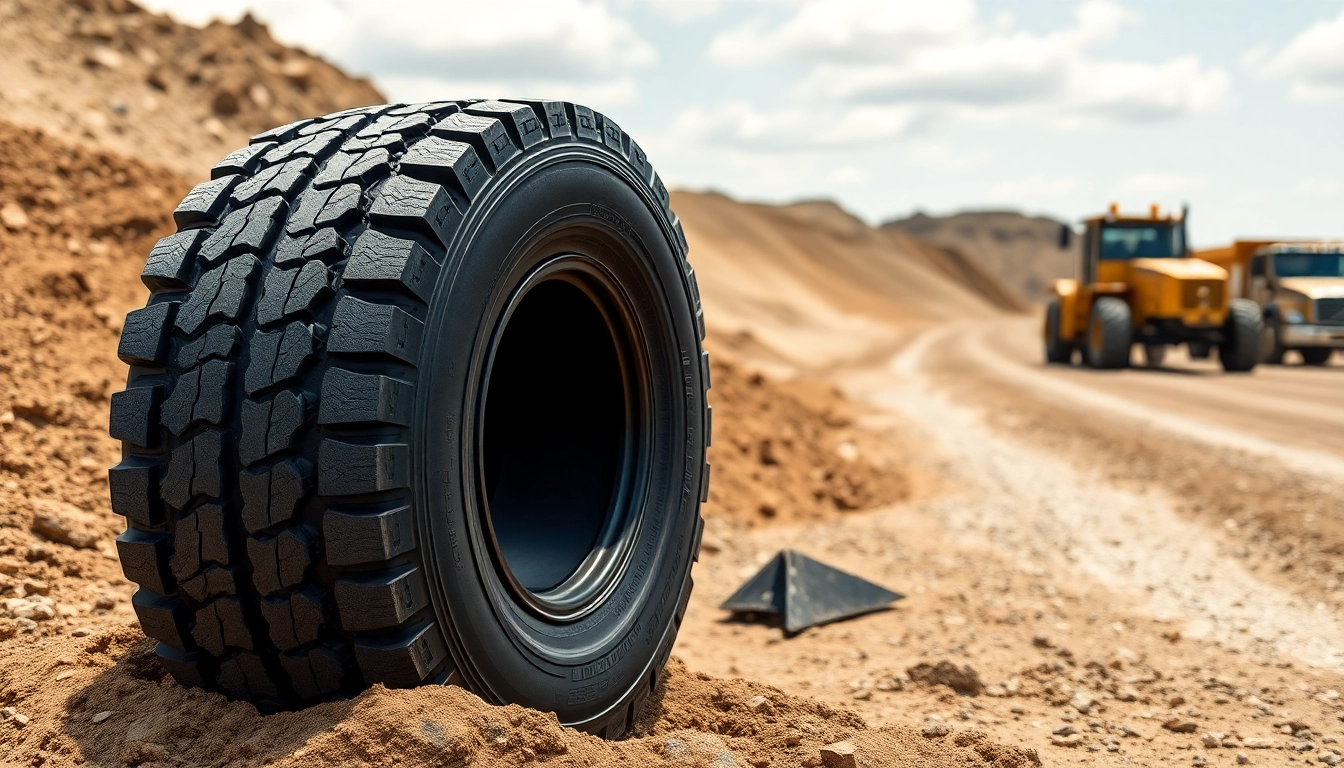
Understanding the RR99 Tire: Features and Specifications
The RR99 tire series by Double Coin has become a distinguished choice for those in the commercial trucking industry, thanks to its robust design and versatile performance. Whether you’re managing a fleet or an independent operator, understanding the features and specifications of the RR99 can significantly influence your operational efficiency and safety. This article delves into the key attributes that make the RR99 a standout option in heavy-duty tire solutions, exploring its technical specifications, comparative performance, and the practicality of its design in various service conditions. When exploring options, RR99 provides comprehensive insights into the best practices for tire usage and maintenance.
1. Key Features of the RR99
The Double Coin RR99 tires boast several key features that enhance their performance and durability, making them suitable for mixed use in on/off highway applications. Notable features include:
- All-Position Design: The RR99 is engineered to deliver optimal performance regardless of the position on the truck, be it front, rear, or steer axle.
- Advanced Tread Pattern: Designed with a strong, open groove tread pattern, the RR99 provides excellent traction and stability on various surfaces, including wet and dry conditions.
- Durability: The tread compounds are specifically formulated to resist cuts, chips, and tears, ensuring a longer service life, even under heavy loads.
- Load Capacity: With a load index suitable for heavy-duty applications, the RR99 can carry significant weights, making it ideal for commercial transport.
2. Technical Specifications and Performance Metrics
To truly appreciate the RR99 tire, one must consider its technical specifications. The dimensions and performance metrics of the RR99 are designed to meet the demands of various driving conditions:
- Available Sizes: The RR99 is available in multiple sizes, including common configurations such as 11R22.5 and 11R24.5, catering to a wide range of trucks.
- Ply Rating: The tires generally feature a ply rating of 16, designed to support heavy loads while maintaining integrity.
- Speed Rating: The RR99 supports a decent speed rating, making it suitable for highway driving while ensuring safety.
- Performance Metrics: Tests have shown the RR99 consistently outperforms competitors in traction and wear resistance.
3. Comparing RR99 with Competing Models
Within the heavy-duty tire market, it’s crucial to understand how the RR99 stacks up against its competitors. When compared to similar all-position tires from brands such as Michelin and Goodyear, the RR99 offers competitive pricing while maintaining high performance levels. Key comparison points include:
- Price Point: The RR99 tends to be more cost-effective, making it a popular choice among fleet managers looking to save without compromising quality.
- Durability: While some premium tires boast exceptional performance, the RR99 offers a robust alternative that balances cost and durability.
- Versatility: Compared to others, the RR99’s tread design provides superior adaptability to different terrains, outperforming traditional highway tires in off-road conditions.
Applications of the RR99 in Mixed Service Environments
The versatility of the RR99 makes it applicable in various environments, from urban deliveries to remote construction sites. Understanding where and how to deploy these tires can maximize their benefits for your vehicle and fleet.
1. Ideal Use Cases for All-Position Tires
The RR99 is particularly beneficial for businesses engaged in mixed service operations. The all-position design allows for:
- Frequent Stops and Starts: Ideal for delivery trucks that navigate urban routes, the tire’s tread pattern minimizes wear during constant braking and acceleration.
- Varied Terrain: The RR99 excels in applications that require movement across both paved roads and rugged surfaces, making it suitable for construction and utility vehicles.
2. Performance in On/Off Highway Conditions
When traversing on/off highway conditions, the RR99 shines due to its design tailored to handle a variety of driving scenarios:
- On-Road Performance: Provides enhanced stability and control at highway speeds, ensuring safe transportation of goods.
- Off-Road Capability: Its large tread blocks create excellent grip on loose surfaces, reducing the risk of slipping in challenging conditions.
3. Customer Testimonials and Case Studies
Real-world applications of the RR99 demonstrate its reliability. Fleet operators have reported:
- Increased Uptime: Less downtime due to flat tires or tread wear issues, attributed to the robust construction of the RR99.
- Cost Efficiency: Operators have noted a marked decrease in tire-related expenses, enhancing their overall profit margins.
Maintenance and Care for Optimal RR99 Performance
To ensure the longevity and performance of the RR99 tires, adhering to proper maintenance practices is essential. Tires are a significant investment, and care plays a crucial role in maximizing their efficiency.
1. Best Practices for Tire Maintenance
Regular maintenance can extend the life of your RR99 tires significantly. Key best practices include:
- Regular Inspections: Frequently check for signs of wear, damage, or deflation to address issues early.
- Proper Inflation: Maintain the recommended tire pressure to optimize fuel efficiency and prevent uneven wear.
- Rotation: Regular tire rotation helps ensure even wear across all tires, enhancing their overall lifespan.
2. Common Issues and Troubleshooting Tips
Even with maintenance, issues may arise. Understanding common problems can help in troubleshooting:
- Uneven Wear: Often caused by improper inflation or alignment; address alignment issues promptly to prevent future problems.
- Punctures and Cuts: Regularly inspect tires for foreign objects and damages to catch issues before they lead to blowouts.
3. Seasonal Considerations for RR99 Tires
Seasonal changes can impact tire performance. Consider these factors:
- Winter Conditions: Ensure tread depth meets regulations; consider winter tires for extreme conditions.
- Summer Heat: Monitor tire pressure more frequently in hot weather, as air expands and can overinflate tires, leading to potential blowouts.
Future Trends: The Evolution of Heavy-Duty Tires by 2026
The tire industry is rapidly evolving, with innovations aimed at improving safety, longevity, and environmental impact. Understanding these trends can help fleet operators and buyers make informed decisions about tire investments.
1. Innovations in Tire Technology
With ongoing advancements, the next generation of heavy-duty tires like the RR99 may feature:
- Smart Tire Technology: Integration of sensors that monitor tire health and provide real-time data on performance.
- Enhanced Rubber Compositions: Innovative materials that improve wear resistance and reduce rolling resistance for better fuel efficiency.
2. Sustainability and Eco-Friendly Practices
As environmental concerns grow, the tire industry is focusing on sustainable practices, including:
- Recyclable Materials: Emphasizing the use of eco-friendly compounds in tire manufacture.
- Fuel-Efficient Designs: Innovations aimed at reducing fuel consumption through lower rolling resistance tires.
3. Predictions for the Heavy-Duty Tire Market
Looking ahead to 2026, industry experts predict:
- Increased Competition: New entrants in the market will push for innovation and competitive pricing.
- Greater Demand for Versatility: A continued emphasis on multi-purpose tires like the RR99 to meet the demands of diverse operational environments.
Buying Guides: Where to Purchase the RR99 Tires
Finding the right vendor for RR99 tires can be paramount to ensuring you receive quality products at competitive prices. Understanding what to look for can simplify your purchasing process.
1. Evaluating Tire Vendors and Retailers
Consider the following factors when selecting a vendor:
- Reputation: Look for retailers with positive customer reviews and a solid standing in the industry.
- Product Availability: Ensure that the vendor has a wide selection of sizes and models available.
2. Pricing Strategies and Discounts
Many retailers offer competitive pricing strategies. Keep an eye out for:
- Bulk Purchase Discounts: Purchasing tires in bulk can lead to significant savings.
- Promotional Deals: Seasonal promotions can offer lower prices or bundled services, such as free rotations with purchase.
3. Understanding Warranty and Return Policies
Before making a purchase, familiarize yourself with the vendor’s warranty and return policies:. Additionally, Điều Khoản Và Điệu Kiện RR99 provides further details.
- Length of Warranty: A longer warranty often indicates the manufacturer’s confidence in their product.
- Return Policy: Understand the terms regarding returns or exchanges in case the tire does not meet your needs.