
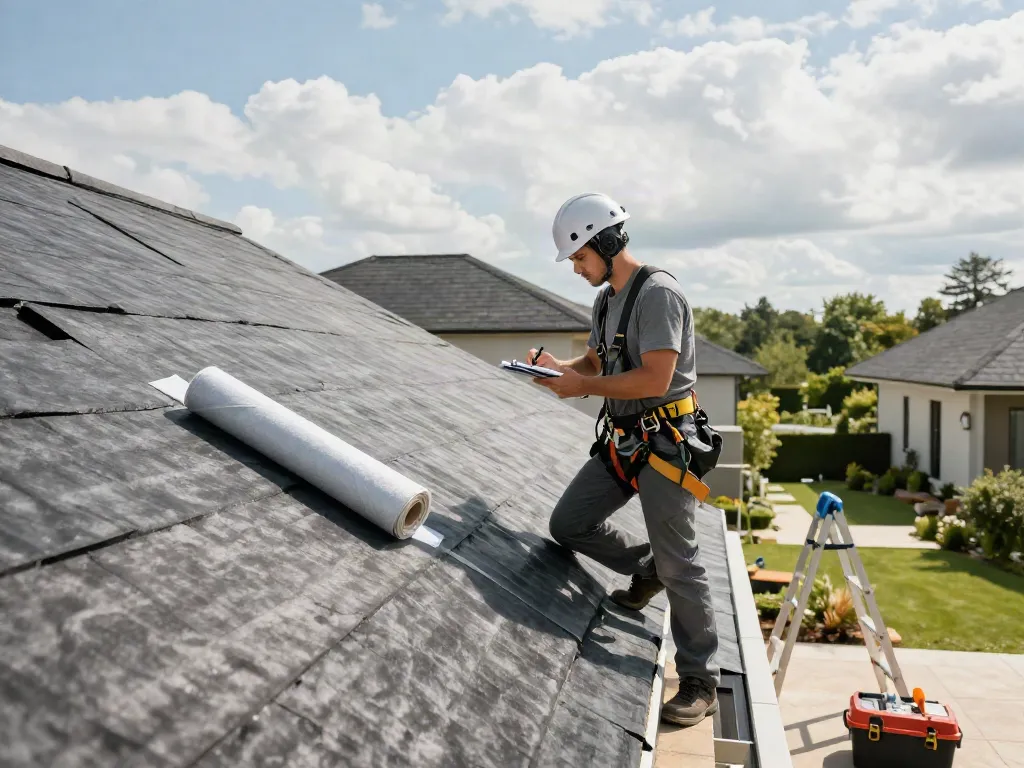
Understanding Felt Roof Systems
Felt roofing is a popular choice among homeowners and contractors alike due to its affordability, durability, and ease of installation. This roofing method is particularly applicable to flat and low-pitched roofs found in various structures, from garages to home extensions. When exploring options, felt roof systems have evolved significantly, offering modern solutions designed to withstand the UK’s unpredictable weather. In this article, we will delve into the characteristics of felt roofing systems, including their advantages, applications, and how they compare to other roofing materials.
What is a felt roof?
A felt roof is typically constructed using a synthetic or felt-based material that is laid down in overlapping layers to create a waterproof barrier. The primary components involve a backing material (often made of fiberglass or polyester) coated with bitumen or tar. These roofing systems are designed to be robust against the elements, providing essential protection against rain, snow, and UV radiation. Installation often involves methods such as torch-on or cold bonding, which ensure a strong, seamless roof capable of enhancing thermal efficiency.
Benefits of using felt roofing materials
- Cost-effective: Felt roofing systems are generally less expensive than other roofing options, making them an attractive choice for budget-conscious homeowners.
- Quick installation: The installation process for felt roofing is often quicker than for traditional tiles or shingles, reducing labor costs and disruption.
- Durability: Modern felt roofing materials are designed to be resilient, resisting tears, impacts, and UV degradation, thus extending the lifespan of the roof.
- Flexibility: Felt roofs can easily adapt to various shapes and structures, making them suitable for a wide range of applications.
Common applications for felt roofs
Felt roofing is widely used in residential and commercial buildings. Common applications include:
- Flat roofs for garages and extensions
- Porches and dormer windows
- Outbuildings such as sheds and workshops
- Bay windows and other architectural features
Finding Qualified Felt Roofing Specialists
When it comes to installing or repairing a felt roof, selecting the right roofing contractor is crucial. A qualified specialist can ensure that the job is done properly, adhering to local building regulations and industry standards. This section will discuss how to assess potential contractors and what qualifications to look for during your search.
How to assess roofing contractor qualifications
Assessing a contractor’s qualifications involves checking their credentials, experience, and customer reviews. It's essential to look for contractors who are:
- Licensed and insured
- Experienced with felt roofing systems
- Willing to provide references from previous clients
What to look for in felt roofing references
When requesting references, homeowners should ask about the contractor’s quality of work, adherence to timelines, and responsiveness to issues that arose during the project. Positive referrals from trusted sources can provide confidence in your choice.
Insurance requirements for roofing contractors
It is vital that any roofing contractor you consider has adequate insurance coverage, including liability insurance and worker’s compensation. This protects both the homeowner and the contractor in case of accidents or property damage during the project.
DIY vs. Professional Installation
The decision between DIY and professional installation for a felt roof can have significant implications for both costs and outcomes. Homeowners should weigh the pros and cons of each option before proceeding.
When to consider DIY felt roofing
A DIY installation might be suitable for homeowners with construction experience and those looking for cost savings. However, it is crucial to understand the complexities involved in properly installing a felt roof, as improper installation can lead to leaks and long-term issues.
Pros and cons of professional installation
- Pros: Professionals often have the skills to ensure proper installation, access to high-quality materials, and warranties for their work.
- Cons: Hiring a contractor can be more expensive upfront, though it may save money in the long run by avoiding costly repairs due to installation errors.
Cost considerations for installation options
When considering costs, homeowners should account for materials, labor, and potential additional expenses such as permits or structural modifications. Comparing quotes from multiple contractors can provide insight into the market rate and help make informed decisions.
Maintaining Your Felt Roof
Regular maintenance is essential to prolong the life of a felt roof and ensure its effectiveness in protecting your home. This section outlines maintenance tips, common problems, and solutions.
Regular inspection routines for optimal performance
Homeowners should conduct routine inspections of their felt roofs, ideally twice a year and after severe weather events. Look for signs of wear, such as:
- Blistering or peeling
- Visible tears or punctures
- Debris accumulation around drainage areas
Common felt roof problems and solutions
Some common issues with felt roofs include:
- Water pooling: This can be rectified by improving drainage systems or adding taper to the structure.
- Seam failures: Seams should be regularly checked and repaired as necessary using specialized adhesive or patches.
- UV damage: A reflective coating can help mitigate this issue by protecting the roofing material from sunlight.
Enhancing durability: Tips for maintenance
To enhance the durability of your felt roof, consider implementing the following maintenance practices:
- Keep the roof clean and free from debris to avoid trapping moisture.
- Inspect flashing regularly and replace any damaged sections promptly.
- Consider applying a protective sealer every few years to prolong the life of the roofing material.
Future Trends in Roofing Technology
The roofing industry is continually evolving, with new technologies and materials being developed to improve efficiency, sustainability, and performance. This section highlights trends that are shaping the future of felt roofing.
Innovations in felt roofing materials
Advancements in material science are leading to the creation of more robust and long-lasting felt roofing products. Innovations include reinforced fibreglass felt and environmentally friendly alternatives to traditional bitumen.
Environmental considerations and sustainability
As environmental concerns become more prominent, there is an increasing demand for sustainable roofing solutions. Recycling old roofing materials and utilizing eco-friendly components is becoming standard practice in the roofing industry.
What to expect in felt roofing in 2026 and beyond
By 2026, we anticipate a further shift towards energy-efficient roofing solutions, with an emphasis on systems that help reduce energy consumption and improve building performance.
What are the disadvantages of felt roofing?
While felt roofing offers numerous benefits, there are some drawbacks to consider. These may include susceptibility to puncturing, potential for moisture trapping if not properly installed, and limited warranty periods compared to other materials like metal or tile.
Is roofing felt 100% waterproof?
No roofing felt is entirely waterproof; however, when installed correctly, it can provide excellent water resistance suitable for most applications.
What do roofers use instead of felt?
Alternative materials that roofers may use include EPDM (ethylene propylene diene monomer), PVC (polyvinyl chloride), and TPO (thermoplastic olefin), each with its own advantages and disadvantages.